
This Wagyu katsu sando recipe is proof that a sandwich can be impressive. Panko-crusted Japanese Wagyu is cooked to a perfect medium and layered onto toasted homemade shokupan with a tangy, fruit-sweetened tonkatsu sauce. I made my first Wagyu katsu sando recipe years ago and have since perfected it. I’ll walk you through my tried-and-tested method and share all the tips I’ve learned through countless rounds of testing.
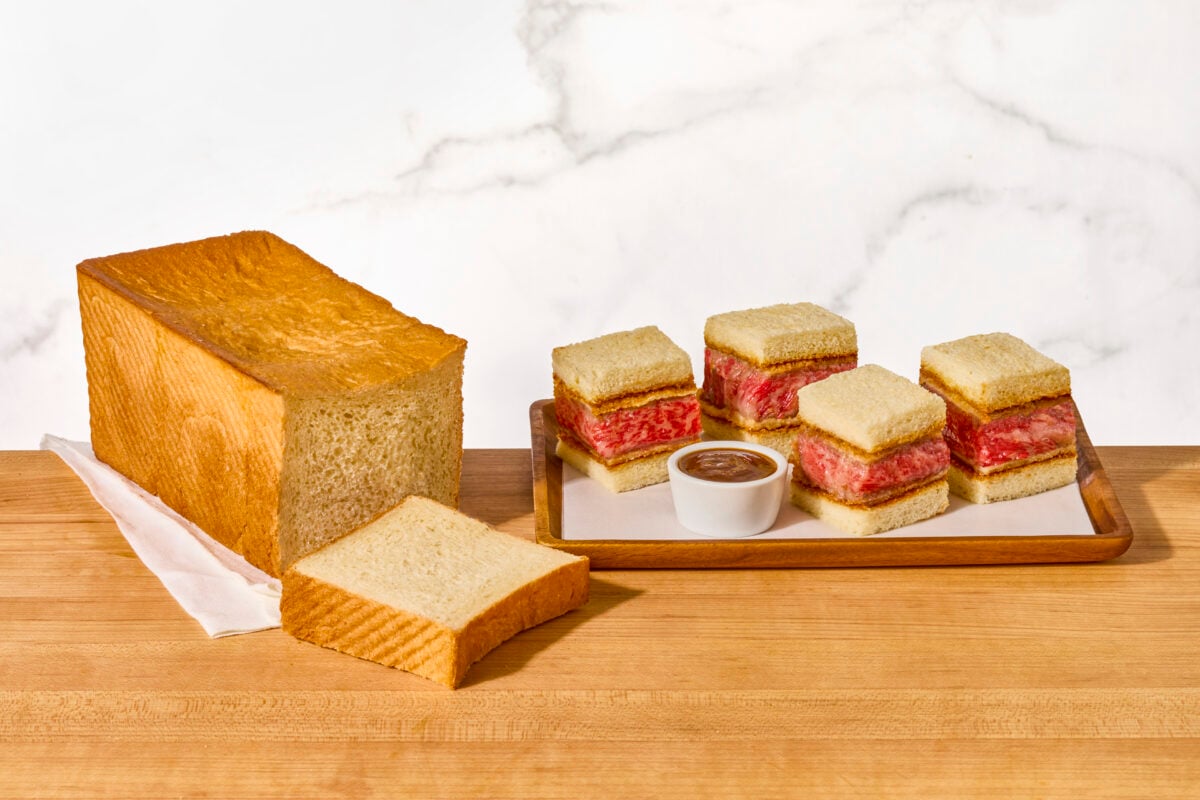
What is a Wagyu Katsu Sando?
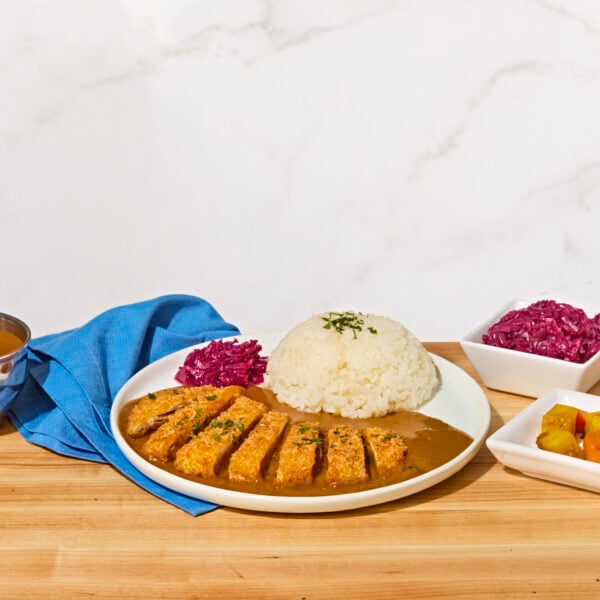
If you’re unfamiliar, a katsu sando is a Japanese sandwich built from a panko-breaded, fried cutlet layered between slices of shokupan (Japanese milk bread) and finished with a sweet-savory tonkatsu sauce. Traditionally, it’s made with pork, chicken breasts, or chicken thighs, like the crispy chicken cutlet in my chicken katsu curry.
Katsu itself is a yoshoku dish, part of a category of Western-influenced Japanese cooking that emerged in the late 1800s as Japan opened up to outside food culture. Panko-breaded cutlets, curry rice, and omurice all fall under this umbrella, taking a Western technique (breading and frying) and running it through a distinctly Japanese lens.
For this recipe, I decided to elevate the original dish slightly, using Japanese Wagyu striploin instead of pork or chicken. The cutlet stays closer to medium-rare, and the famous marbling of the meat melts into every bite, creating a luxurious mouthfeel.
It’s truly a showstopping recipe and surprisingly easy to make when you follow the proper techniques. The key to the best Wagyu katsu sando is nailing all the contrasting elements from the barely-there panko to the buttery beef and sweet sauce. One bite, and you’ll understand why the katsu sando has become a fixture everywhere from tasting menus to Japanese convenience stores!
Ingredients and Notes
See the recipe card below for the complete ingredient list and instructions.
Shokupan (Soft White Bread/Japanese Milk Bread)
- Bread Flour – I use this in both the tangzhong starter and the shokupan dough itself. The higher protein content builds the structure that gives shokupan its signature pull-apart crumb while keeping it soft.
- Tangzhong – The secret behind shokupan’s cloud-like texture, tangzhong is a cooked flour-and-liquid paste that gets mixed into the bread dough. It pre-gelatinizes the starch so the finished loaf holds onto more moisture and stays soft.
- Active Dry Yeast – Bloomed directly in the warm tangzhong, this helps the dough rise.
- Nonfat Milk Powder – This adds richness and a subtle milky flavor to the dough without contributing extra liquid that would loosen the crumb.
- Whole Milk and Egg – Both ingredients enrich the dough, giving the shokupan its signature soft texture and golden color.
- Unsalted Butter – I use this in the dough for flavor and tenderness and again to grease the pan.
Tonkatsu Sauce
- Aromatics – Apple, onion, and ginger form the base of the sauce. I recommend grating the ingredients rather than chopping to help them break down fully as the sauce simmers.
- Soy Sauce, Mirin, and Rice Vinegar – These build the salty, sweet, and tangy backbone of the tonkatsu sauce, similar to the balance you’d find in a good tonkotsu miso ramen broth.
- Brown Sugar, Ketchup, Dijon Mustard, and Worcestershire Sauce – Together, these round out the sauce with sweetness, tang, and umami flavor, giving it incredible depth.
Wagyu Sando
- Japanese Wagyu Striploin – This is the star of the sandwich, so it’s worth sourcing real Japanese A5 or another high-marbling grade if you can.
- All-Purpose Flour, Egg, and Japanese Panko Breadcrumbs – These are used for a classic three-step breading. Japanese panko has a lighter, airier texture than standard breadcrumbs, which is essential for a delicate crust that doesn’t overpower the beef.
How to Make a Panko-Crusted Wagyu Katsu Sando
1. Make the Shokupan
2. Prepare the Tonkatsu Sauce
3. Assemble the Katsu Sando
Nick’s Tips for Success
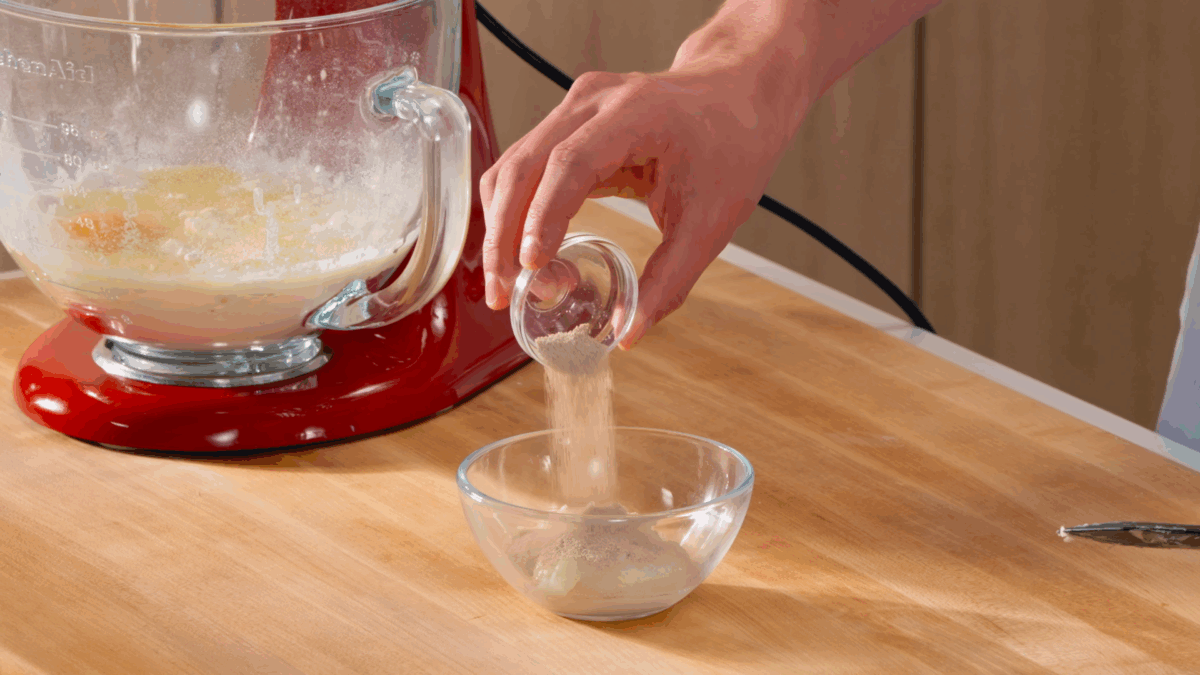
- Make sure the yeast is active. Stir the yeast into the warm tangzhong and wait until it’s bubbling before mixing the dough. If nothing happens after about five minutes, your yeast may be expired, or the tangzhong may be too hot or too cool. It’s worth starting over to ensure a nice rise.
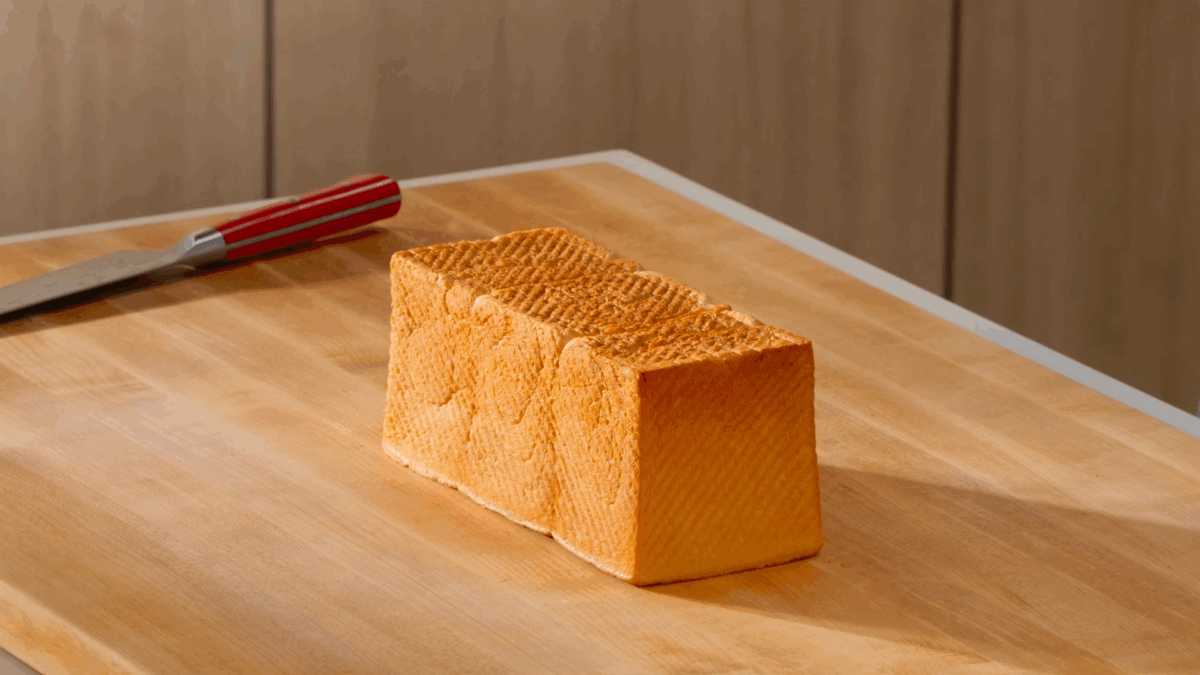
- Use day-old shokupan. Freshly baked bread is too soft to hold its shape once the katsu is added. So, I like to bake the loaf the day before preparing this Wagyu katsu sando recipe to give it enough structure to slice cleanly and toast without collapsing.
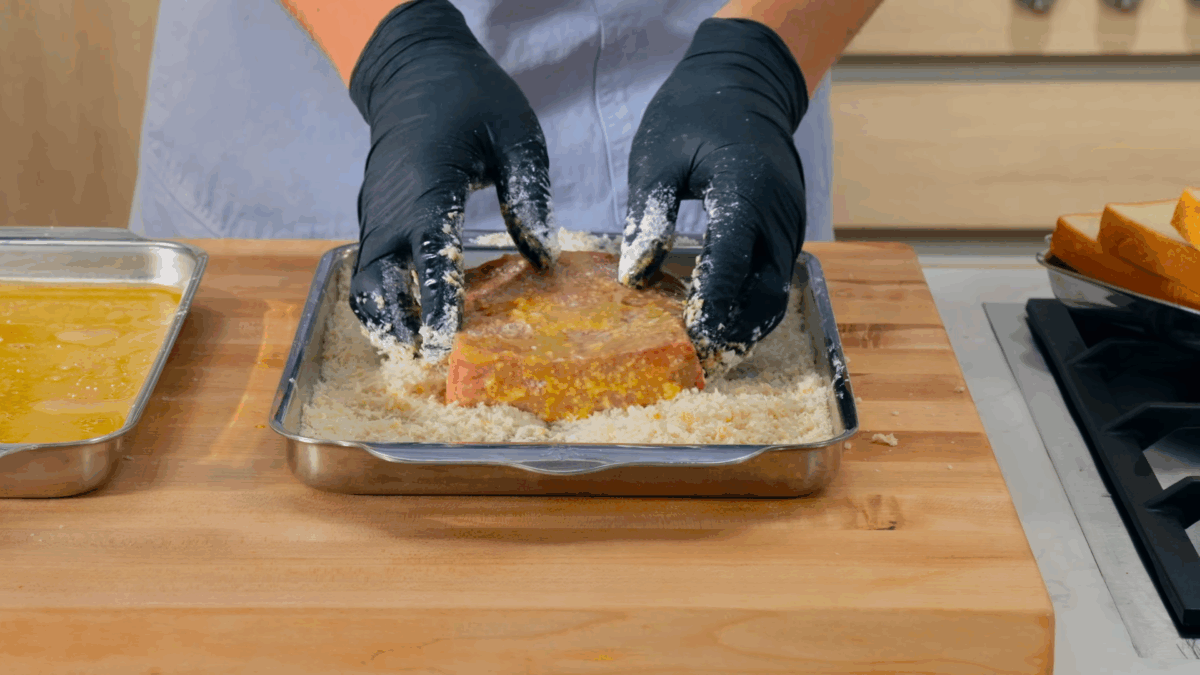
- Keep the panko coating light. Press the breadcrumbs on gently instead of packing them tightly for a light breading that sticks to the meat. If the coating is too heavy, it’s likely to become dense and soggy and fall off the Wagyu when frying.
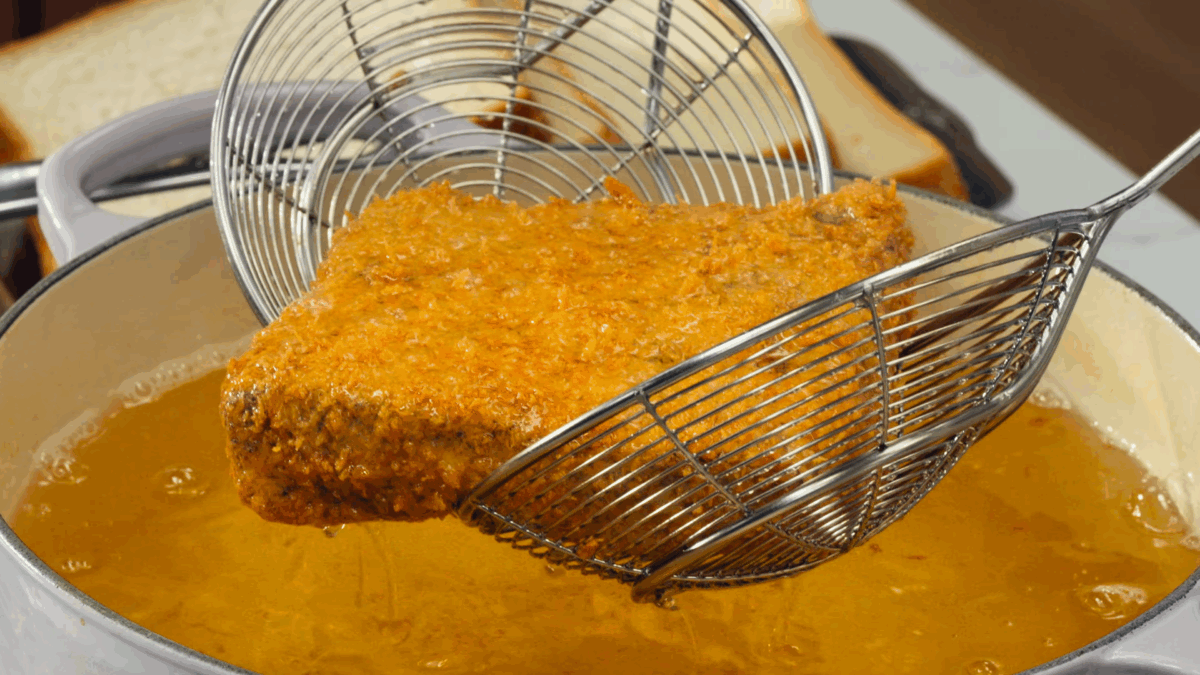
- Watch your oil temperature closely. Frying at 315-325°F (157-163°C), which is lower than a typical katsu, keeps the crust pale and delicate while giving the fat inside the Wagyu just enough time to soften without fully rendering.
- Use a meat thermometer. Remove the Wagyu from the oil when it reaches about 125°F (52°C). Carryover cooking will bring it to roughly 130°F (54°C) for a perfect medium-rare center.
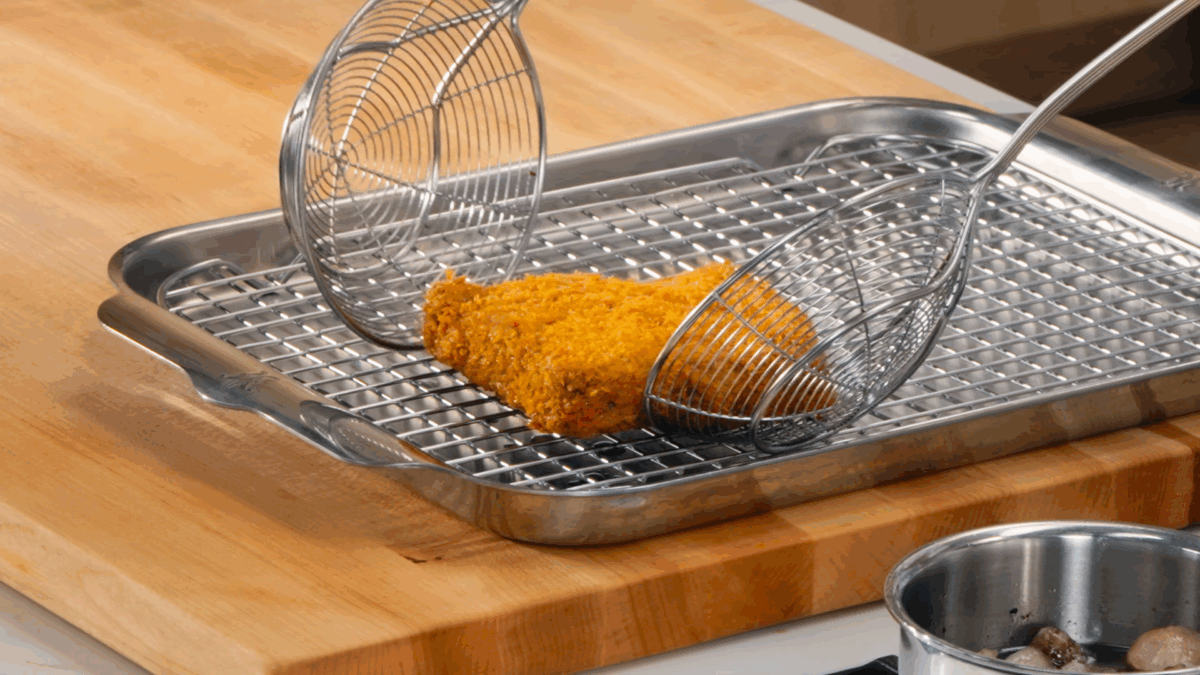
- Rest the cutlets on a wire rack. Avoid placing the fried Wagyu on paper towels, which can cause the cutlets to become soggy. Instead, rest them on a wire rack so that air can circulate underneath, keeping the breading crisp.
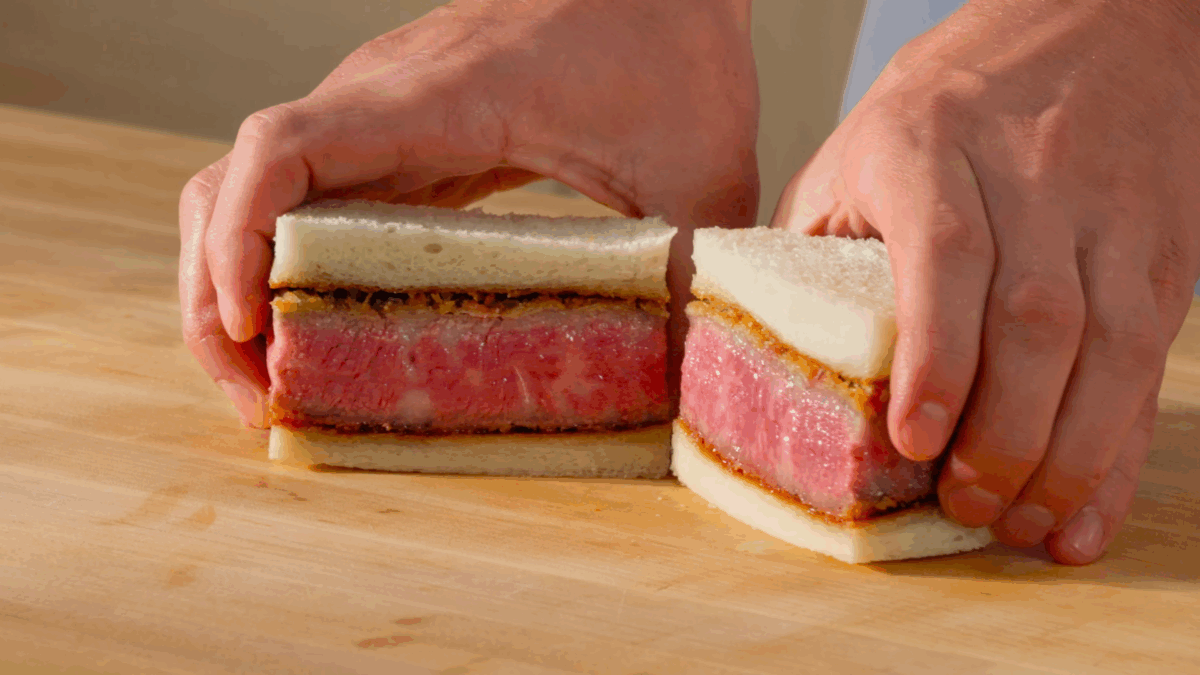
- Wipe your knife between cuts. Use a sharp knife, and wipe it off with a clean towel between each cut to create four clean squares.
Wagyu Katso Sando Recipe
Equipment
- 1 Stand Mixer Fitted with a Dough Hook
- 2 Saucepans
- 1 (9×5-inch) Shokupan
- 1 Pastry Brush
- 1 Wire Cooling Rack
- 1 High-Speed Blender
- 1 Fine Mesh Sieve
- 3 Shallow Bowls
- 1 Heavy-Bottomed Pot or Dutch Oven
- 1 Instant-Read Thermometer
- 1 Sharp Chef's Knife
- 1 Cutting Board
Ingredients
For the Shokupan
Tangzhong
- 2 tablespoon (15 gram) bread flour
- 3 tablespoon (45 gram) water
- 3 tablespoon (45 gram) whole milk
Dough
- 1 tablespoon (9 gram) active dry yeast
- 2½ cup (300 gram) bread flour
- ¼ cup (15 gram) nonfat dry milk powder
- ¼ cup (50 gram) granulated sugar
- 1 teaspoon (6 gram) kosher salt
- ½ cup (115 gram) whole milk
- 1 large egg
- 4 tablespoon (60 gram) unsalted butter, melted
- 1 tablespoon (14 gram) unsalted butter, softened, for greasing the pan
For the Tonkatsu Sauce
- 1 medium apple (~180 gram), peeled and grated
- ½ medium onion (~75 gram), grated
- 2 garlic clove (~6 gram) , grated
- 1-inch (2½ centimeter) piece fresh ginger (~15 gram), grated
- ½ cup (120 milliliter) soy sauce
- ¼ cup (60 milliliter) mirin
- ¼ cup (60 milliliter) rice vinegar
- 3 tablespoon (36 gram) brown sugar
- 2 tablespoon (30 gram) ketchup
- 2 tablespoon (30 gram) Dijon mustard
- 1 tablespoon (15 milliliter) Worcestershire sauce
For the Wagyu Katsu Sando
- 4 Japanese Wagyu striploin or ribeye fillet (4 ounce / 120 gram each)
- 2 tablespoon (16 gram) all-purpose flour
- 1 large egg
- 3 tablespoon (45 milliliter) water
- 1 cup (50 gram) Japanese panko breadcrumbs
Instructions
Make the tangzhong
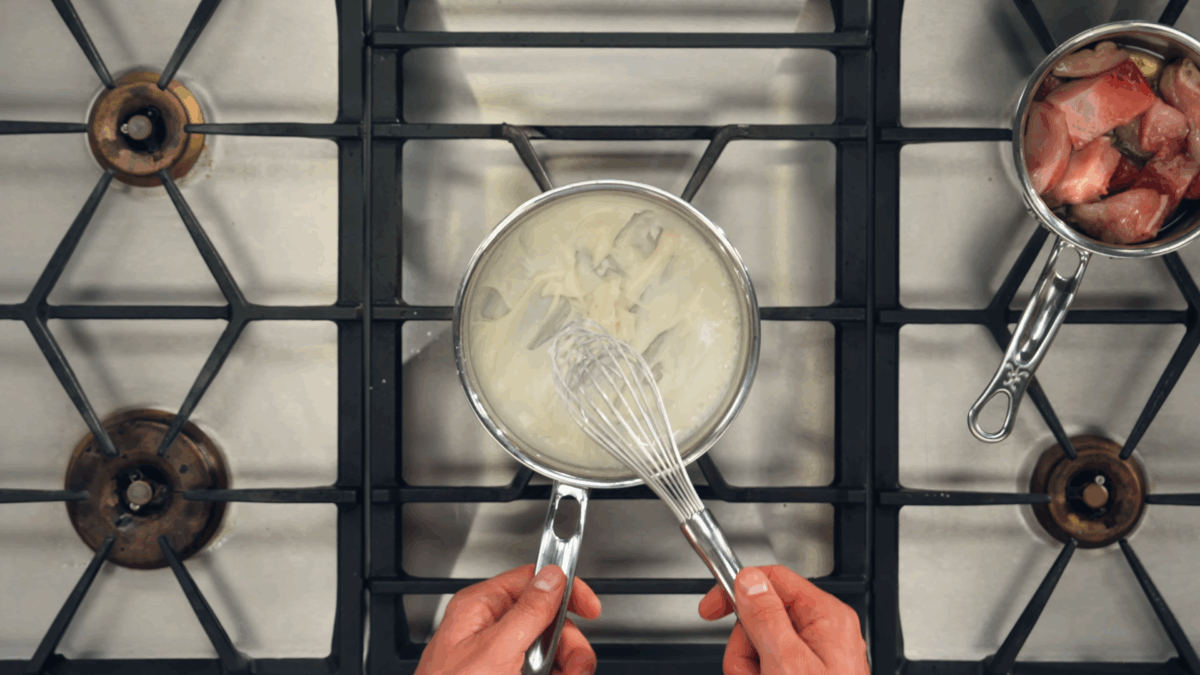
- In a small saucepan, whisk together the bread flour, water, and milk until completely smooth with no lumps remaining. Cook over low heat, whisking constantly, until the mixture thickens and the whisk leaves visible lines on the bottom of the pan, about three to five minutes. Transfer to a small bowl and let cool until just lukewarm.3 tablespoon water, 2 tablespoon bread flour, 3 tablespoon whole milk
Make the dough
- Stir the active dry yeast into the warm tangzhong and let it sit until it begins to bubble and pop, about five minutes.1 tablespoon active dry yeast
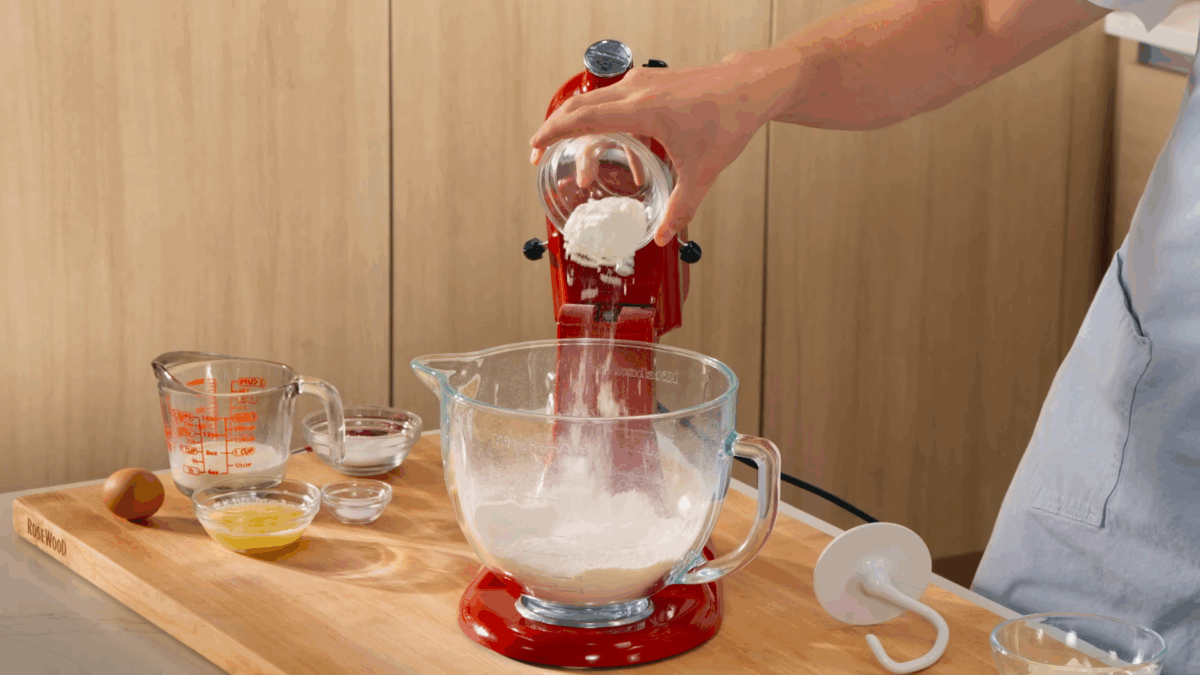
- In the bowl of a stand mixer fitted with a dough hook, combine the tangzhong with the remaining dough ingredients. Mix on medium speed until a smooth, elastic dough forms, 12 to 15 minutes. The dough should feel smooth and slightly tacky.2½ cup bread flour, ¼ cup nonfat dry milk powder, ¼ cup granulated sugar, 1 teaspoon kosher salt, ½ cup whole milk, 1 large egg, 4 tablespoon unsalted butter
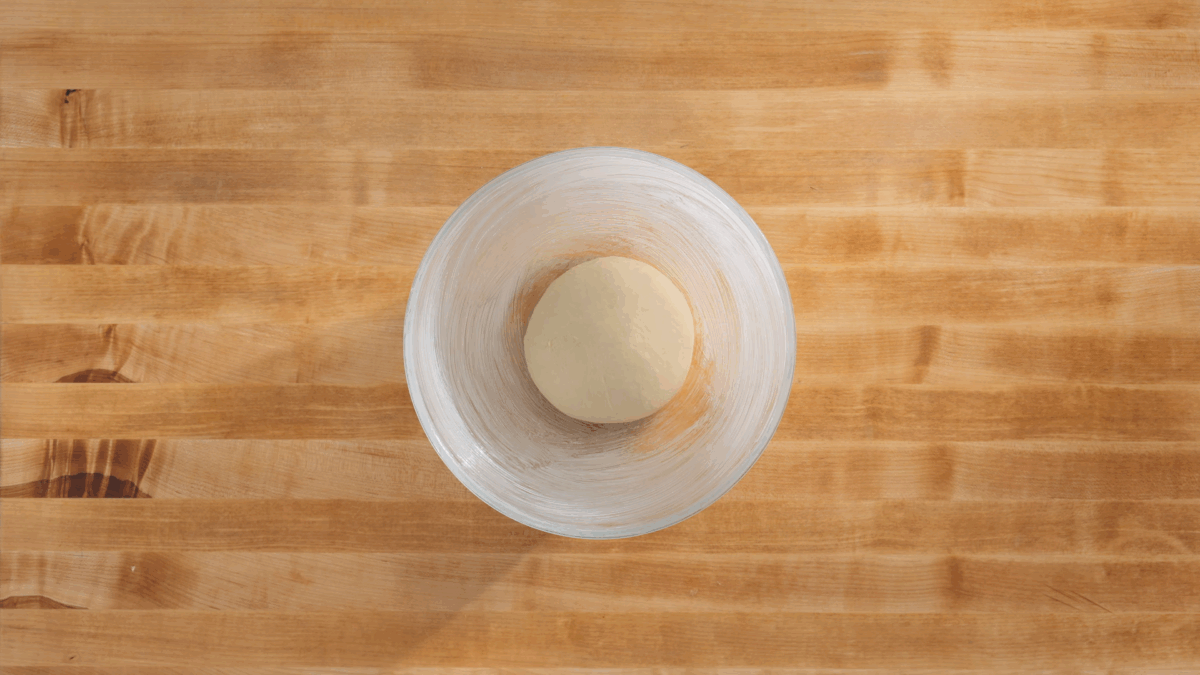
- Shape the dough into a ball and place it in a large bowl lightly greased with butter. Cover and let it rise in a warm place until puffy, about one to one and one-half hours. The dough will puff but not fully double in size.1 tablespoon unsalted butter
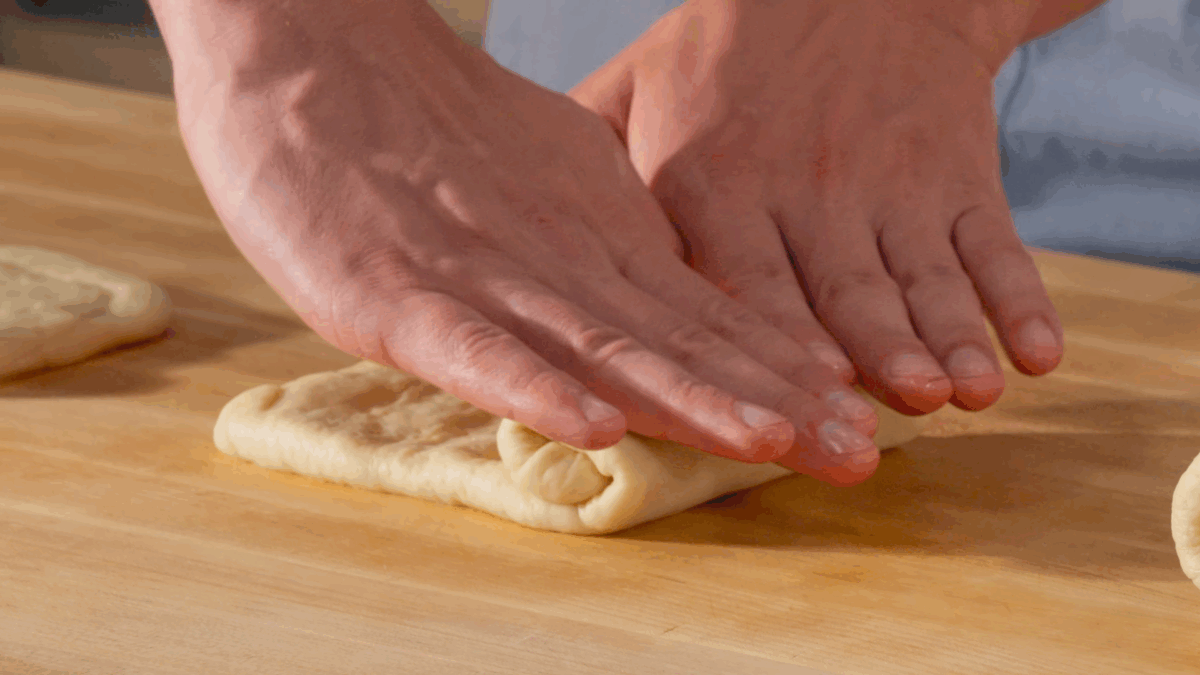
- Gently deflate the dough and divide it into three equal pieces (about 230 grams each). Working with one piece at a time, flatten it into a five by seven-inch (12.7 x 17.8 cm) rectangle. Fold the short ends inward like a letter, then flatten again into a four by six-inch (10.2 x 15.2 centimeter) rectangle. Starting from a short end, roll it into a tight log.
- Arrange the logs seam-side down in a lightly greased nine by five-inch (22.9 x 12.7 centimeter) shokupan, placing them side by side.
- Cover and let rise until noticeably puffy, 40 to 50 minutes. Toward the end of proofing, preheat the oven to 350°F (176°C).
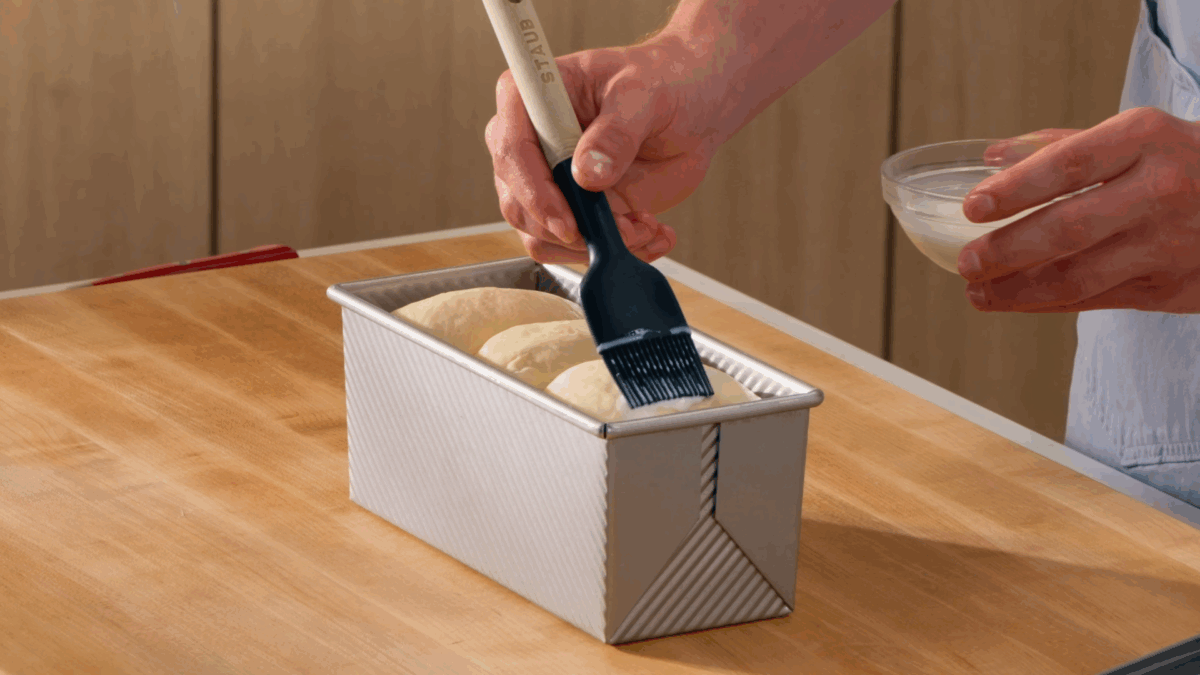
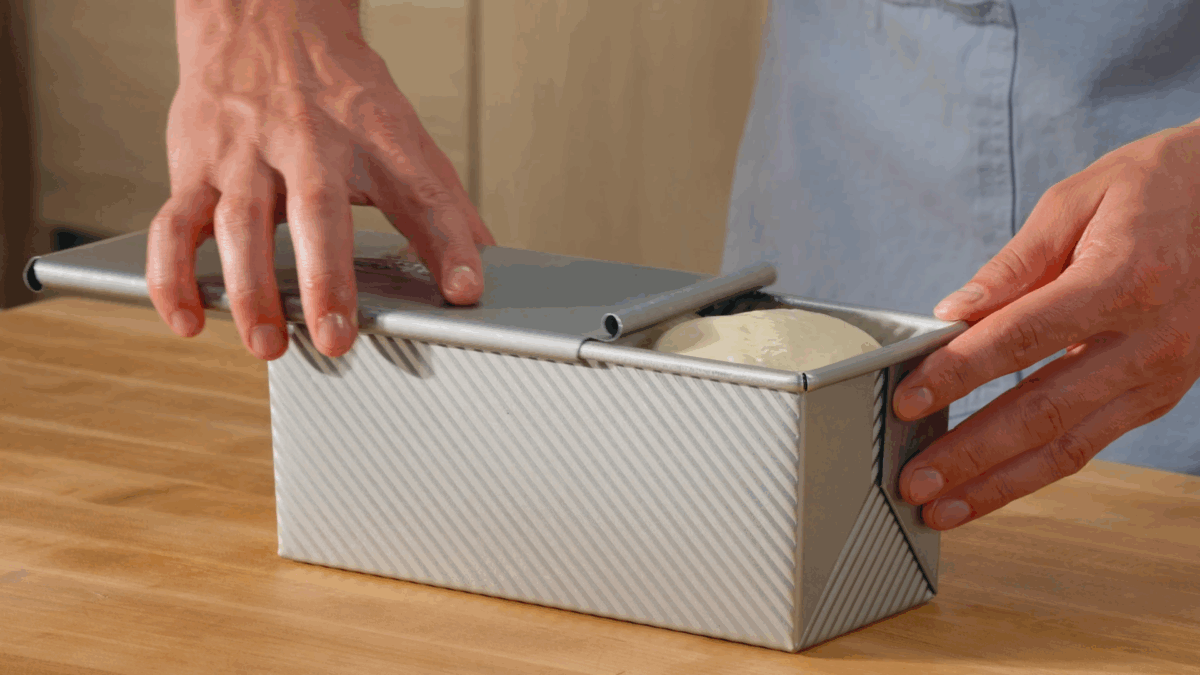
- Brush the top of the loaf with milk. For a perfectly square loaf, place the lid on the pan before baking.
- Bake for 25 to 30 minutes, or until deeply golden brown and an instant-read thermometer inserted into the center registers at least 190°F (88°C).
- Let the loaf cool in the pan for ten minutes, then transfer it to a wire rack and cool completely before slicing.
For the Tonkatsu Sauce
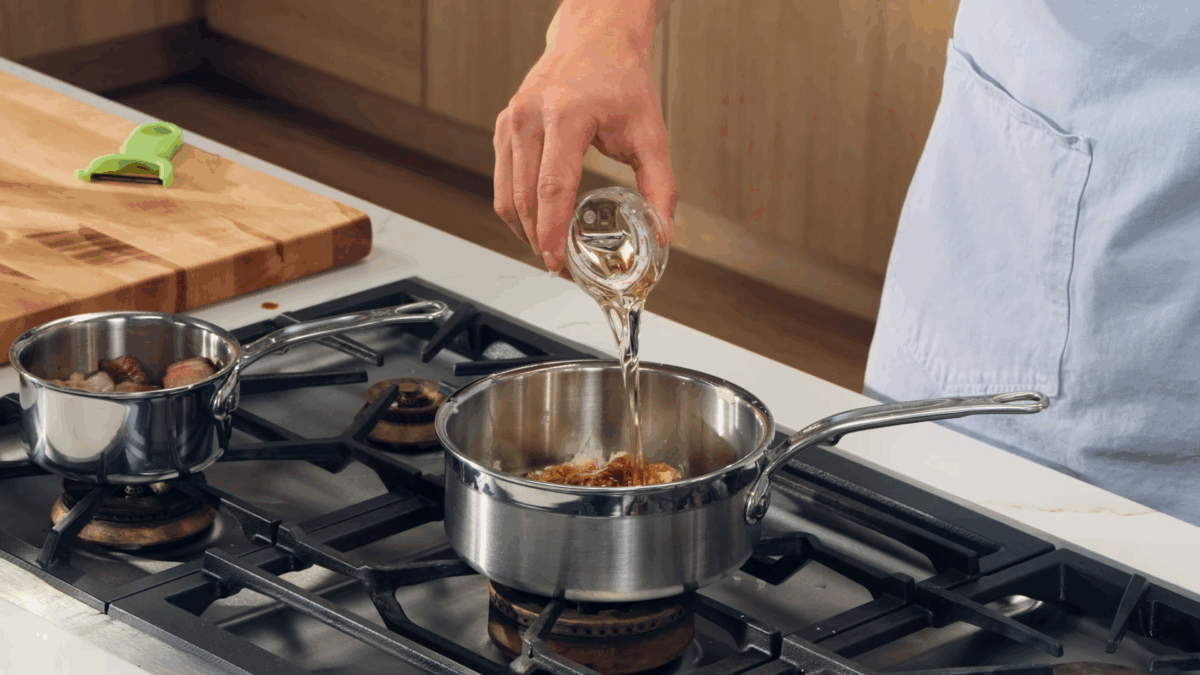
- Combine all the sauce ingredients in a small saucepan and bring to a simmer over low heat.1 medium apple (~180 gram), ½ medium onion (~75 gram), 2 garlic clove (~6 gram), 1-inch (2½ centimeter) piece fresh ginger (~15 gram), ½ cup soy sauce, ¼ cup mirin, ¼ cup rice vinegar, 3 tablespoon brown sugar, 2 tablespoon ketchup, 2 tablespoon Dijon mustard, 1 tablespoon Worcestershire sauce
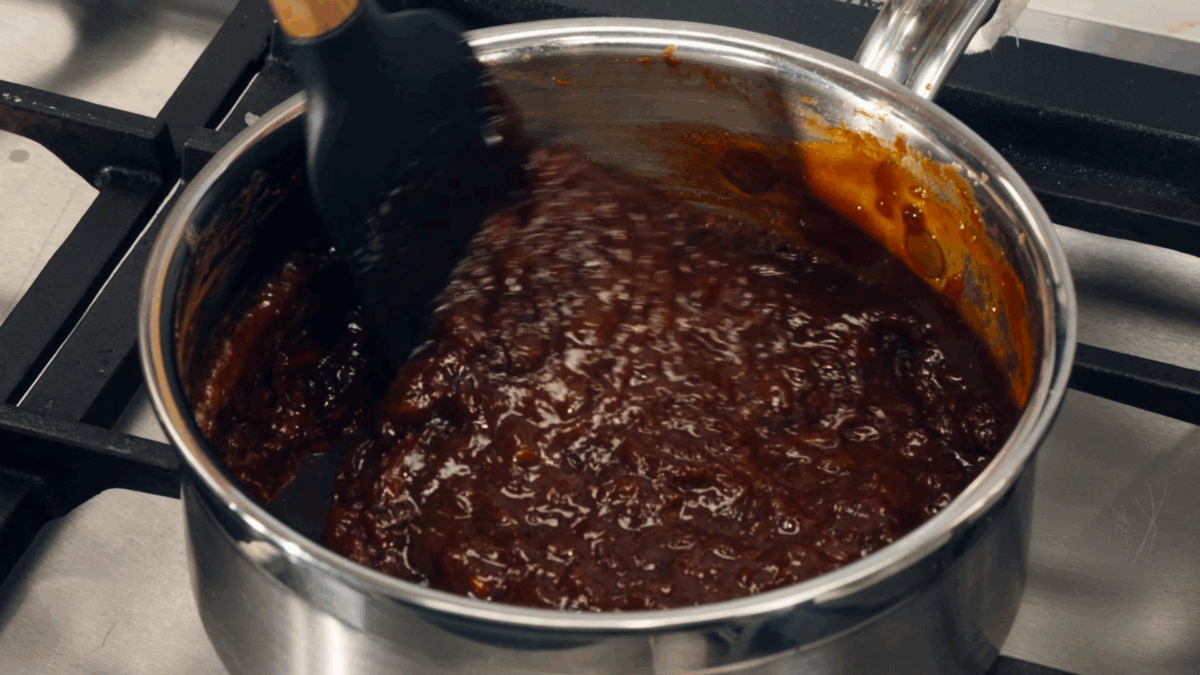
- Cook, stirring occasionally, until slightly reduced and fragrant, about 45 minutes.
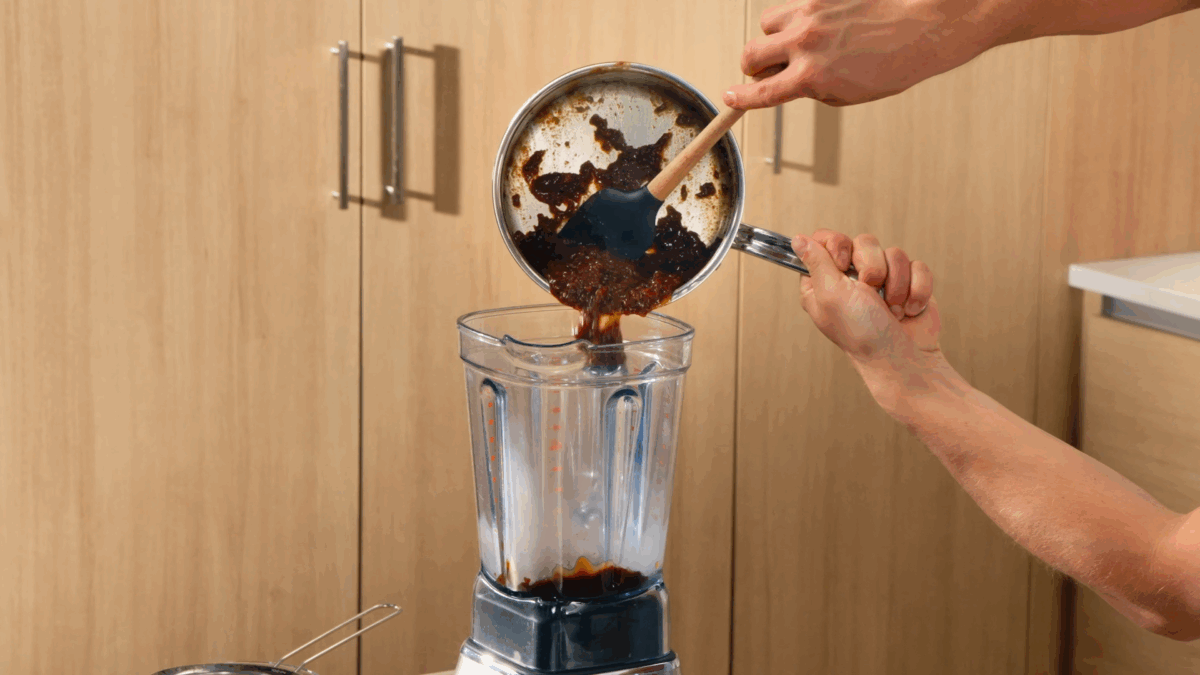
- Transfer the mixture to a high-speed blender and purée until smooth.
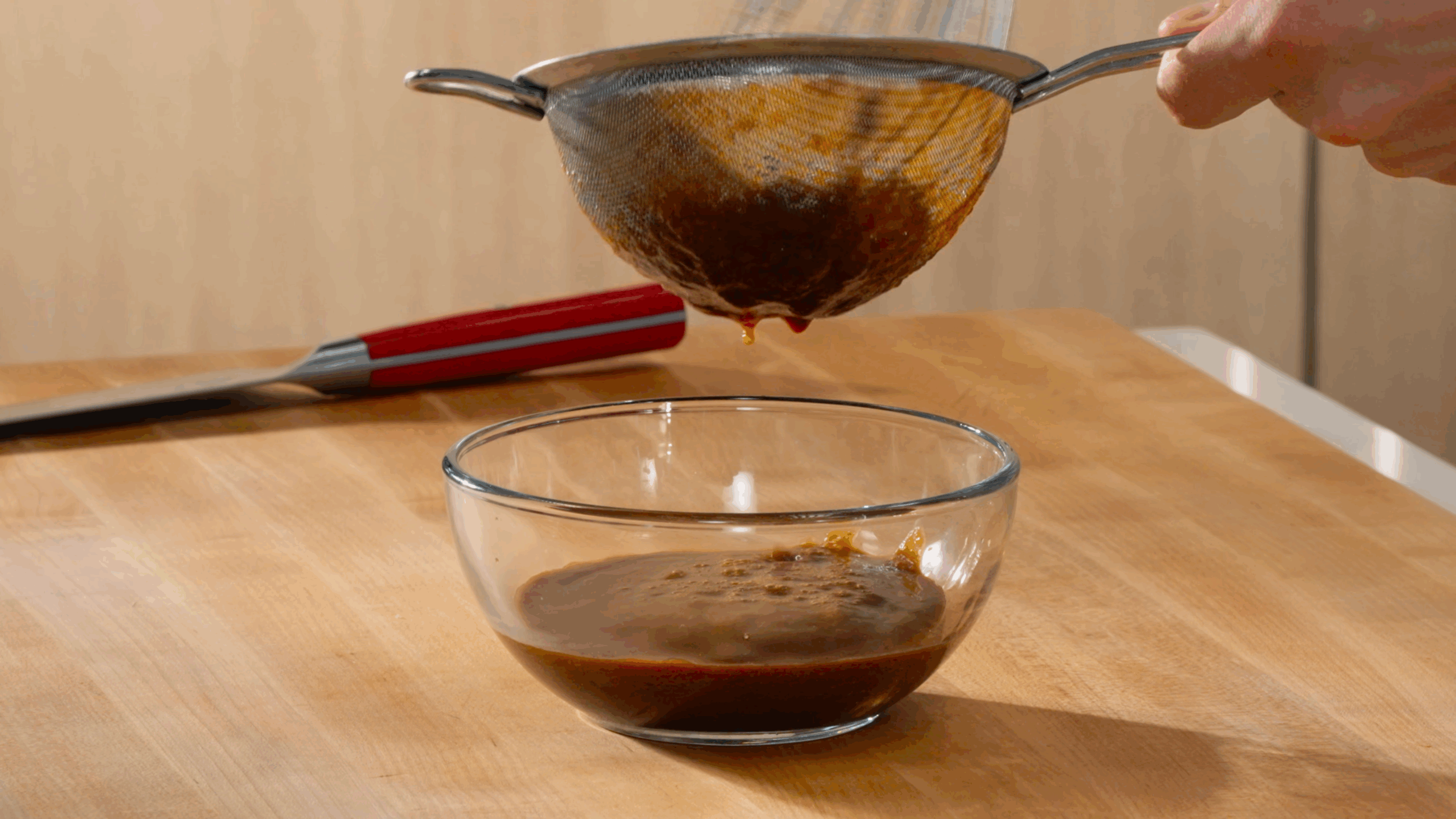
- Strain the sauce through a fine-mesh sieve into a clean bowl for a silky texture.
- Let cool. The sauce will thicken into a glossy, spoonable consistency as it sits.
For the Katsu Sando
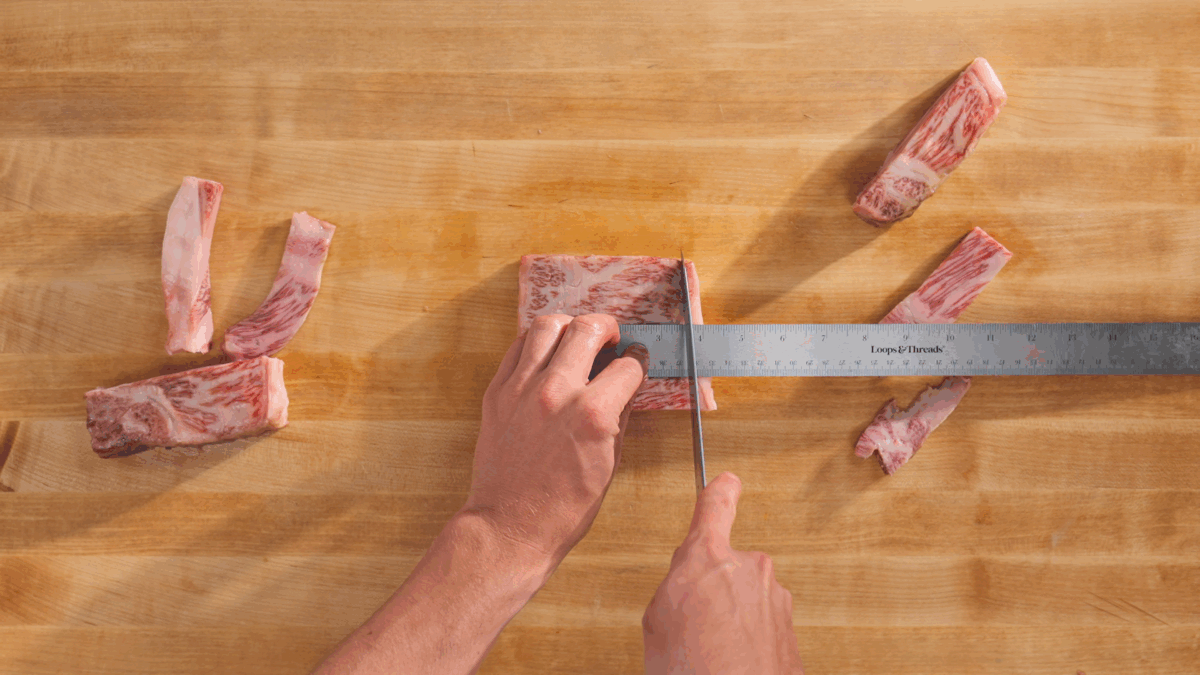
- Trim the Wagyu striploin or ribeye into clean squares about one and one-half to two inches (three to five centimeters) thick, weighing about four ounces (120 grams) each. Season with salt and pepper just before breading.4 Japanese Wagyu striploin or ribeye fillet (4 ounce / 120 gram each)
- Place the flour in one shallow bowl. In a second bowl, whisk together the egg and water until smooth. Place the panko in a third bowl. Lightly coat each piece of Wagyu in flour, dip it into the egg mixture, then coat with panko, gently pressing the breadcrumbs to adhere without compacting them. The coating should feel light and airy.2 tablespoon all-purpose flour, 1 large egg, 3 tablespoon water, 1 cup Japanese panko breadcrumbs
- Heat a neutral oil to 315-325°F (157-163°C). Fry the Wagyu, turning frequently, until the crust is pale golden and the internal temperature reaches 125°F (52°C), about three to four minutes total.
- Transfer the Wagyu to a wire rack and let it rest for five minutes. The internal temperature will rise to about 130°F (54°C) as the juices redistribute.
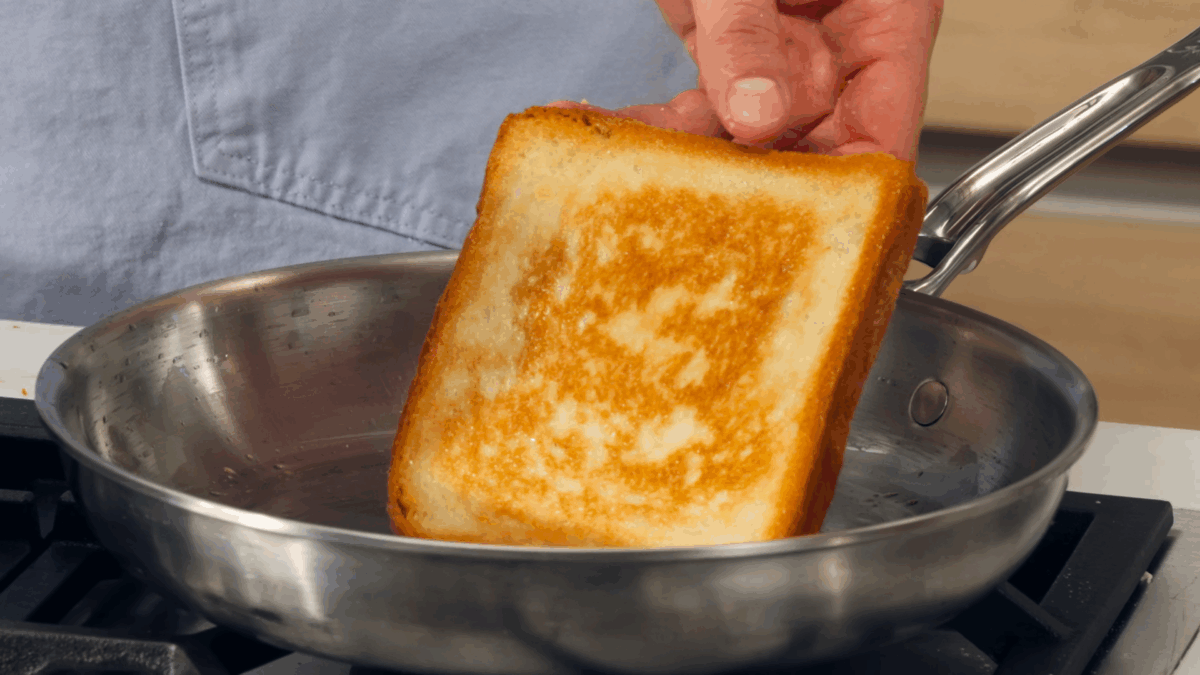
- Cut the shokupan into one-inch (two and a half centimeter) slices. Day-old bread works best for structure. Lightly butter one side of each slice and toast, buttered-side down, in a pan over medium-low heat until just golden, leaving the outer sides soft.
- Place one slice of bread toasted-side up. Spread a thin layer of tonkatsu sauce over the toasted side. Top with a Wagyu cutlet and another slice of bread, toasted-side down, pressing gently to adhere.
- Using a sharp knife, trim away the crusts so they align with the cutlet and form a clean square.
- Using a sharp, clean knife and wiping the blade between each cut, slice the sandwich into four equal squares.
- Serve immediately.
Video

Notes
– Refrigerator: This Wagyu katsu sando is best enjoyed immediately while the crust is crisp and the bread is soft. If you have leftovers, store the sandwich in an airtight container in the refrigerator for up to one day. Keep in mind that the bread and panko coating will soften as they sit.
– Reheating: For the best texture, reheat the Wagyu cutlet in a 350°F (176°C) oven or air fryer until warmed through and the coating is crisp again. Avoid the microwave, which can make the panko soggy. Toast fresh slices of shokupan and assemble the sandwich just before serving.
– Freezing: I don’t recommend freezing the fully assembled sandwich. However, you can freeze the baked shokupan loaf (whole or sliced) for up to three months. Wrap it tightly in plastic wrap and foil, then thaw at room temperature before using.
Nutrition
Nutrition information is automatically calculated, so should only be used as an approximation.
 Like this recipe? Rate & comment below!


Looks really good but will be kinda expensive for one sandwich… can we use just choice grade steak instead?
This was the first time I’ve ever had a katsu sando but it’s definitely a new favorite!