
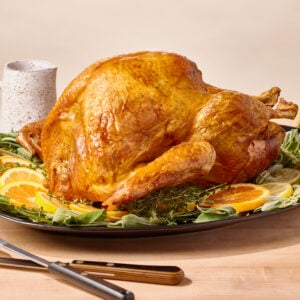
Learn how to make the best Thanksgiving turkey recipe, complete with a homemade gravy. Thanks to my unique cooking method, the turkey turns out golden and crisp on the outside with juicy, flavorful meat in a fraction of the time it takes to bake a traditional turkey!
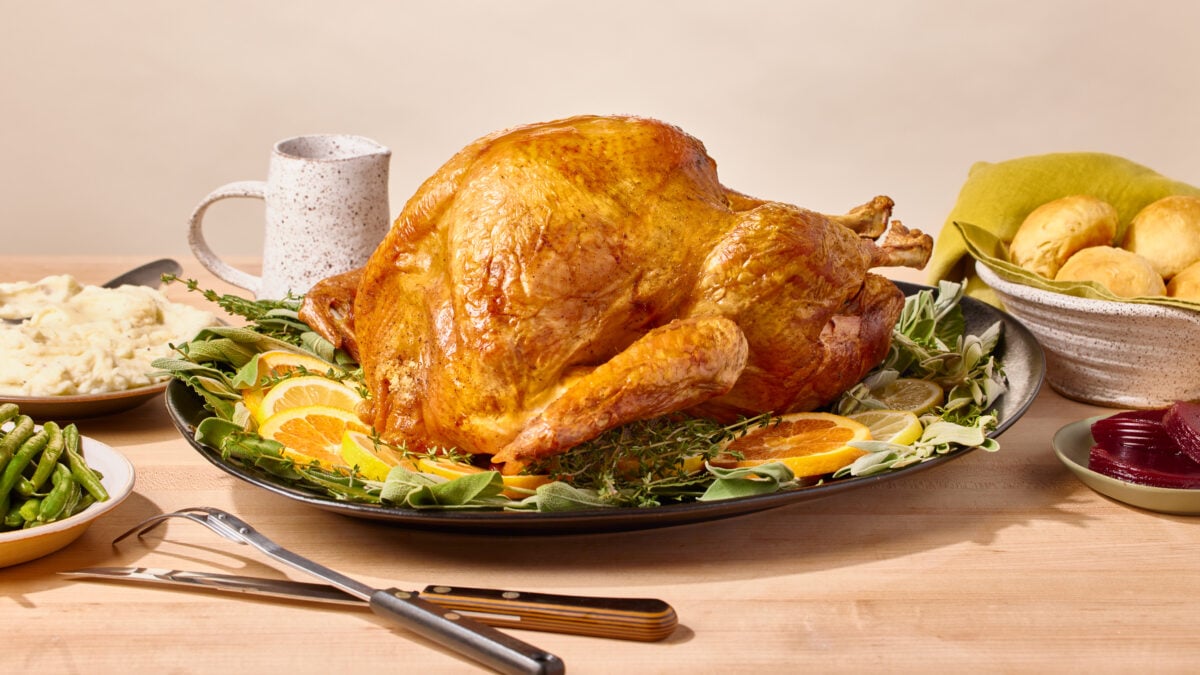
The average Thanksgiving turkey recipe takes about five hours to cook and still turns out dry and bland, but not this recipe. Instead of roasting the turkey whole, I spatchcock it to reduce cooking time, promote even browning, and enhance the flavor. Add a savory herb butter, a high-heat roast, and an easy stovetop gravy made from the pan drippings, and you’ve got a Thanksgiving turkey recipe that outshines every version you’ve tried before. You’ll never go back to any other method again!
Ingredients and Notes
See the recipe card below for the complete ingredient list and instructions.
- Dry Brine – I make an herbed salt by combining salt, fresh rosemary, fresh thyme, and fresh sage. This infuses the turkey with flavor and is key to creating a crisp exterior.
- Compound Butter – Combine butter, brown sugar, lemon zest, and salt. I prefer unsalted butter, but salted will also work as long as you reduce the amount of added salt.
- Cooking Liquid – Combine compound butter, dry white wine, and salt to baste the turkey as it cooks. If needed, you can substitute turkey or chicken broth for the wine.
- Citrus – Lemon and orange add moisture to the meat along with a bright, slightly sweet taste.
- Vegetables – Rainbow carrots, leeks, and rainbow baby potatoes add flavor to the turkey and gravy. They’re also great for serving after roasting.
- Gravy – Make a rich, silky gravy with the reserved spine, giblets, trimmings, butter, flour, dry white wine, and remaining turkey stock.
How to Cook a Thanksgiving Turkey
1. Brine the Turkey
2. Prepare the Compound Butter
3. Roast the Turkey
4. Make the Gravy
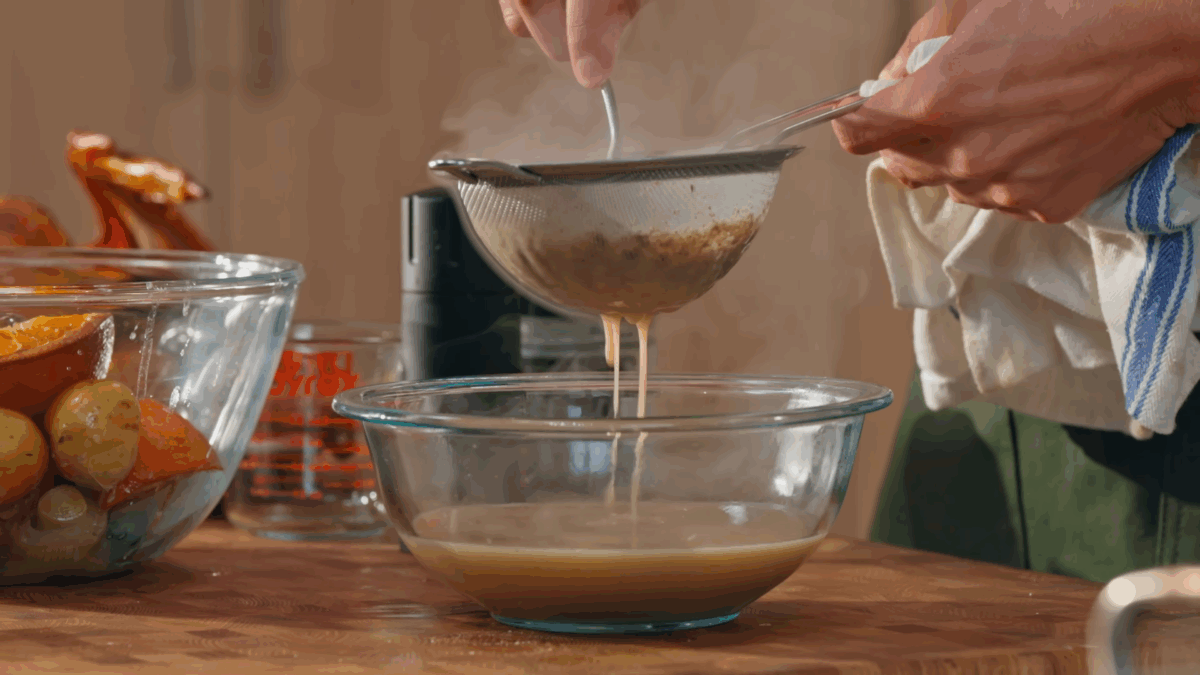
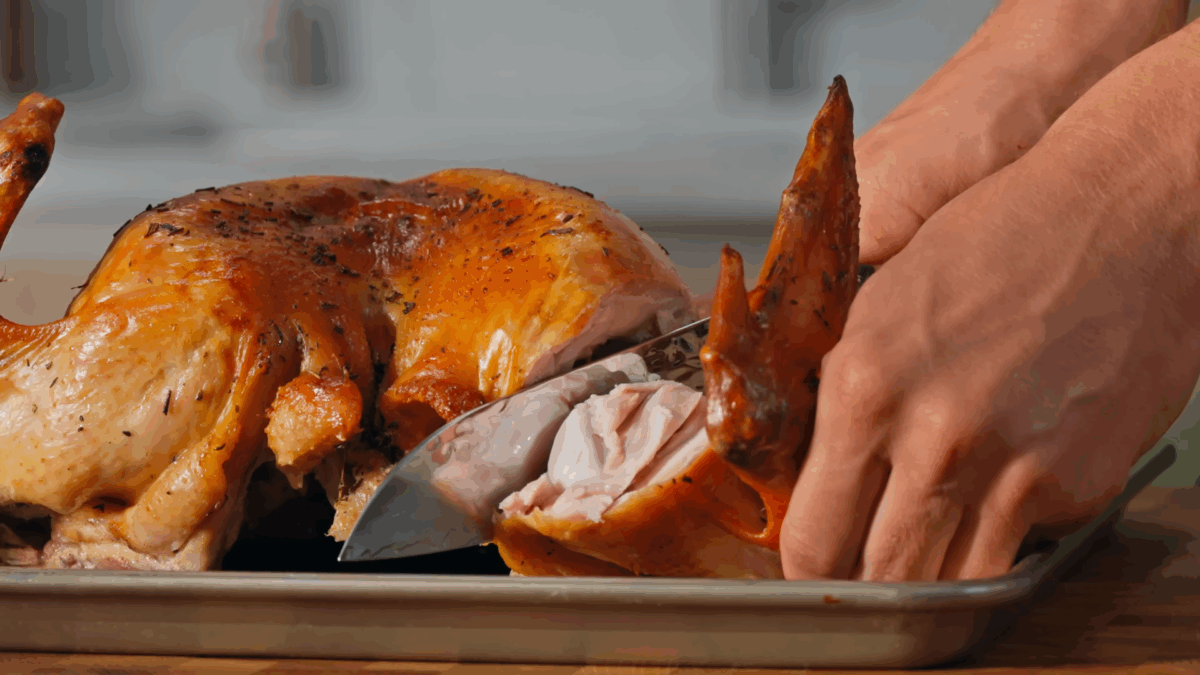
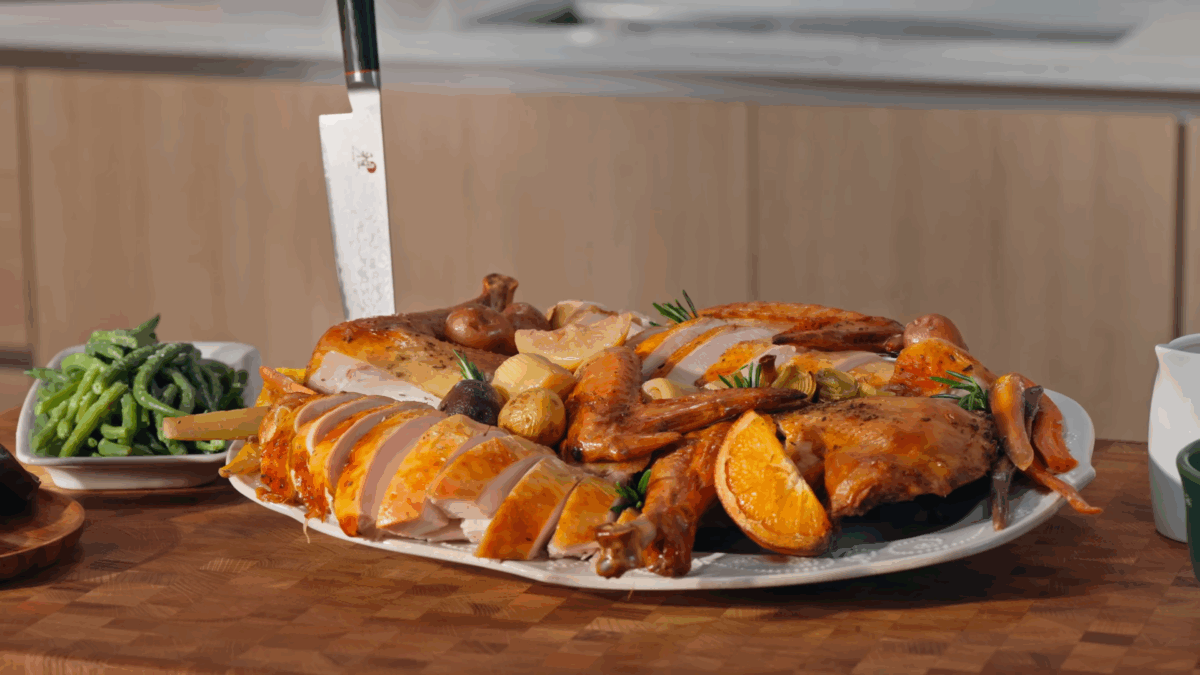
5. Carve and Serve
Nick’s Tips for Success
- Use fresh herbs. These are best for maximum flavor, infusing the meat with a bright taste.
- Dry the bird. I recommend patting your turkey with paper towels before adding the brine. This helps dry the skin of the turkey and allows the herbed salt to stick.
- Don’t flip the bird when seasoning. This will cause the herbs and salt to fall off. Instead, carefully lift the wings and press the seasonings under the bird.
- Allow plenty of time for dry brining. For the best results, you’ll want to let your turkey rest uncovered in the fridge for 24-48 hours.
- Rest the turkey before carving. A 20-30 minute rest allows the juices to redistribute so the meat stays moist and tender.
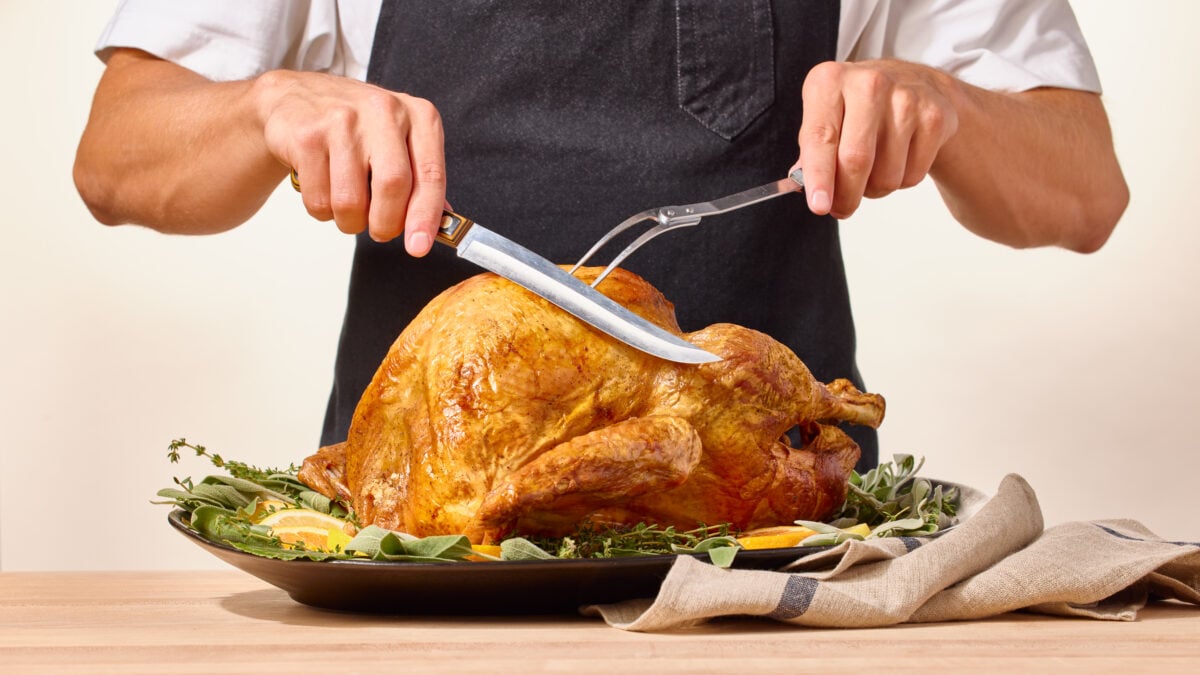
Thanksgiving Turkey Recipe
Equipment
- 1 Poultry Shears
- 1 Large Cutting Board
- 1 Food Processor
- 1 Sheet Tray with Wire Rack
- 1 Medium Mixing Bowl
- 1 Plastic Wrap
- 1 Roasting Pan or Large Casserole Dish
- 1 Cheesecloth
- 1 Small Microwave-Safe Bowl
- 1 Turkey Baster
- 1 Instant-Read Thermometer
- 1 Fine Mesh Strainer
- 1 Large Carving Knife + Tongs
Ingredients
For the Brine
- 1 (12 pound / 5 ½ kilogram) turkey, thawed
- 1/2 cup (120-140 gram) kosher salt
- ¼ cup (2 gram) fresh rosemary, stems removed
- ¼ cup (2 gram) fresh thyme, stems removed
- ¼ cup (2 gram) fresh sage, stems removed
For the compound butter
- 2 (1 cup / 226 gram) stick butter, softened
- 2 tablespoon (25 gram) brown sugar
- zest of one lemon
- ¼ teaspoon (0.7 gram) salt
For Roasting
- 1 lemon, quartered
- 1 orange, quartered
- 4 rainbow carrots, washed and sliced lengthwise
- 1 leek, cleaned and sliced into 1-inch rounds
- 1 pound (454 gram) rainbow baby potatoes
For the cooking liquid
- ¼ cup (57 gram) compound butter
- 2 cup (473 milliliter) dry white wine
- 1 teaspoon (2 ½ gram) pepper
For the Gravy
- reserved spine, giblets and trimmings
- 1 tablespoon (14 gram) butter
- 3 tablespoon (24 gram) all-purpose flour
- 1 cup (273 milliliter) dry white wine
- remaining turkey stock
Instructions
For the Brine
- Remove the giblets and trimmings. Reserve.
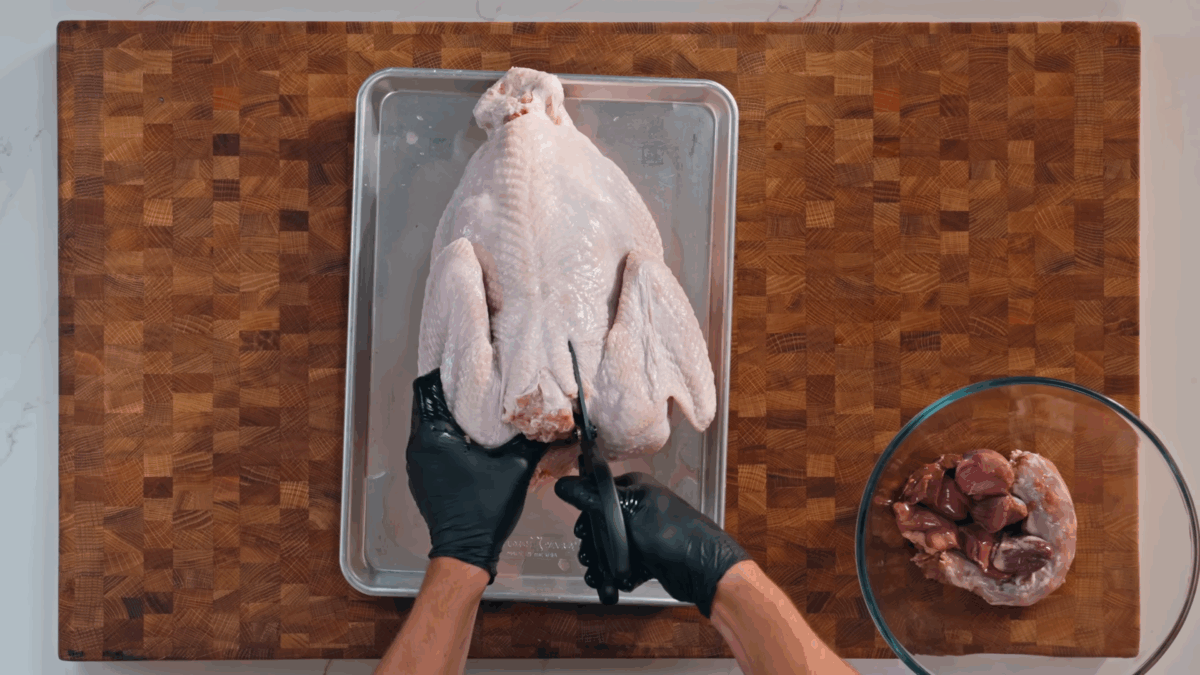
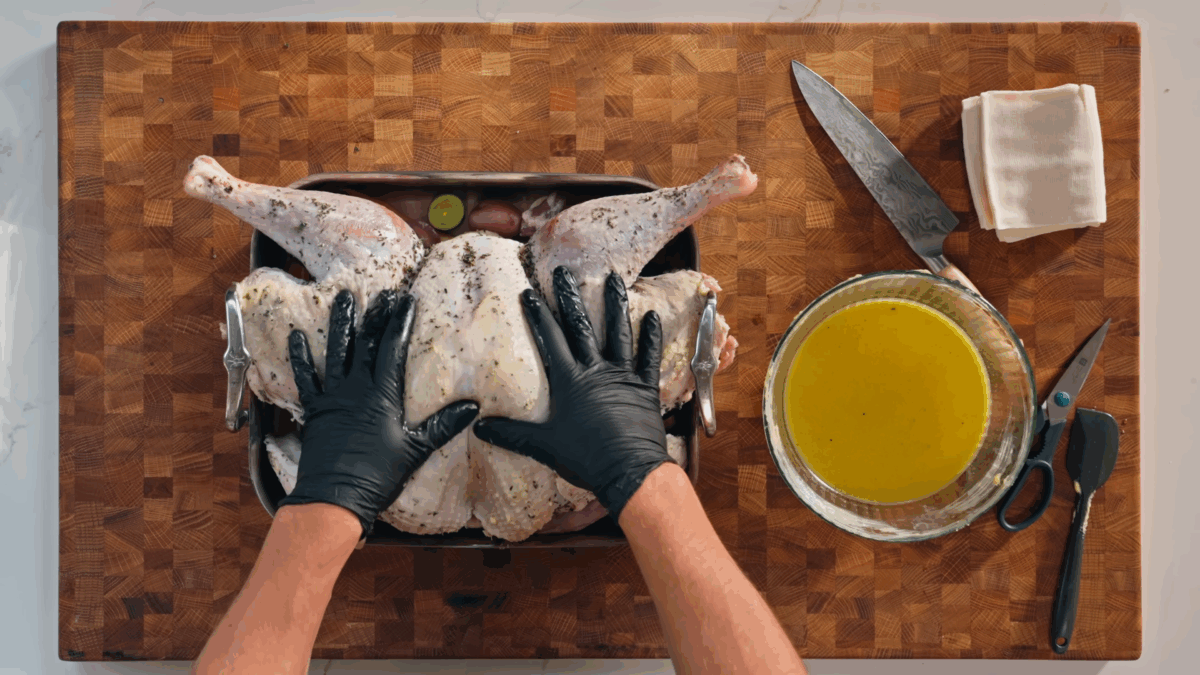
- Lay the turkey, breast side down, on a large cutting board. Using poultry shears, cut along both sides of the spine. Reserve the spine, and flip the turkey over. Using both hands, firmly press in the middle of the breastbone to flatten the turkey and allow it to lie flat.1 turkey
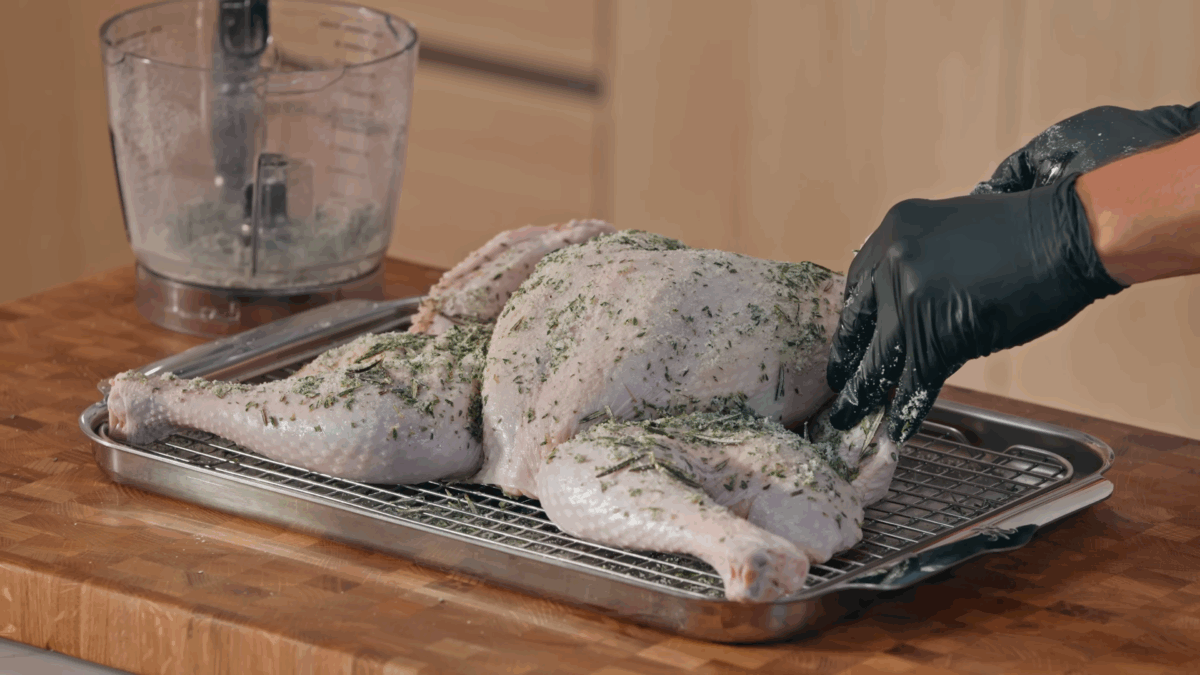
- In a food processor, combine salt and fresh herbs. Process the mixture until the herbs and salt are a coarse but homogeneous mixture.1/2 cup kosher salt, ¼ cup fresh rosemary, ¼ cup fresh thyme, ¼ cup fresh sage
- Place the turkey on a sheet tray fitted with a rack. Rub the salt brine all over the turkey. Refrigerate, uncovered, for at least 24 hours and up to 48 hours.
For the Compound Butter
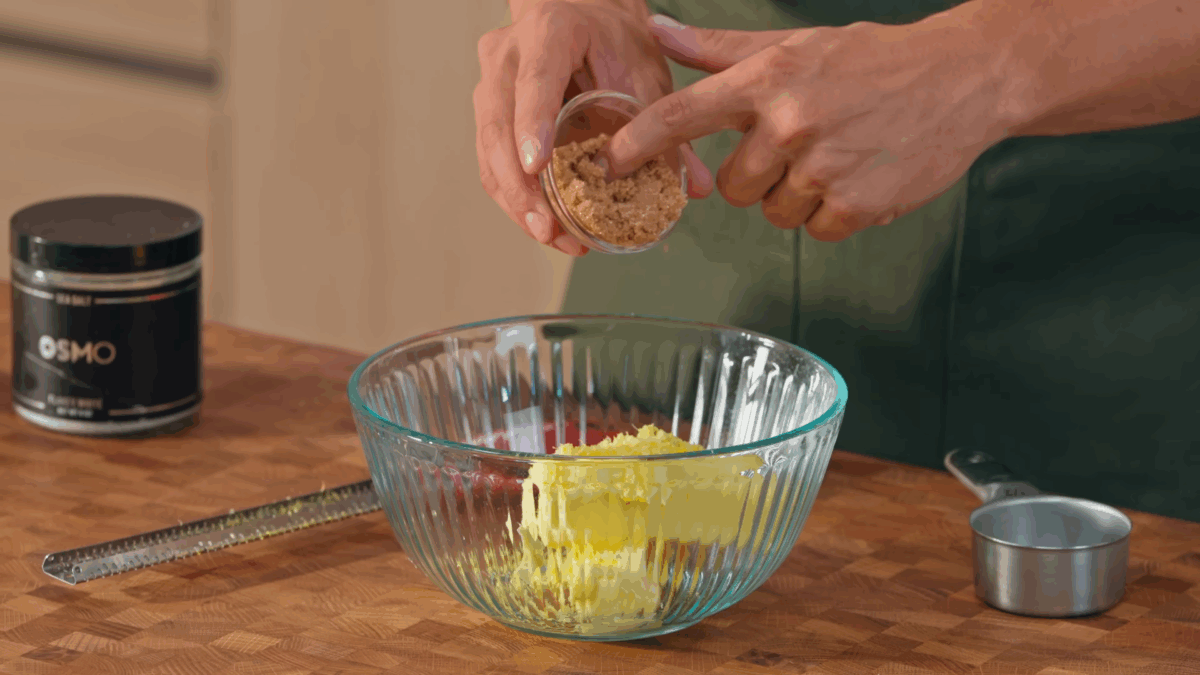
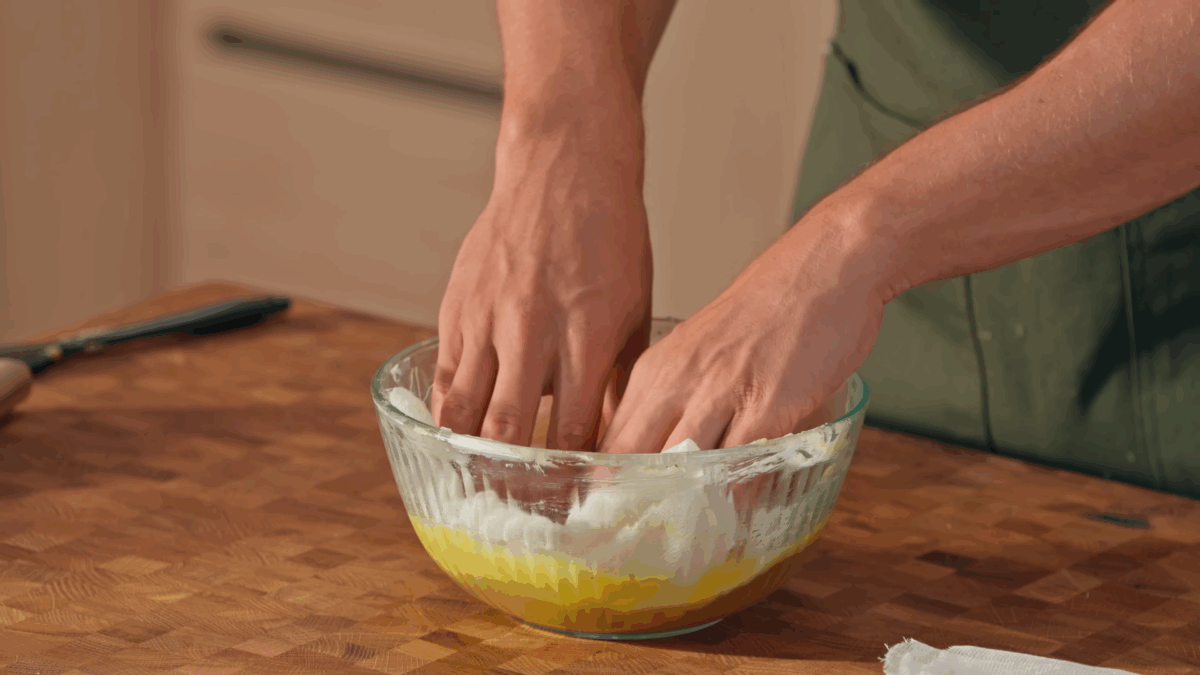
- In a medium mixing bowl, combine the butter, sugar, lemon zest, and salt.2 stick butter, 2 tablespoon brown sugar, zest of one lemon, ¼ teaspoon salt
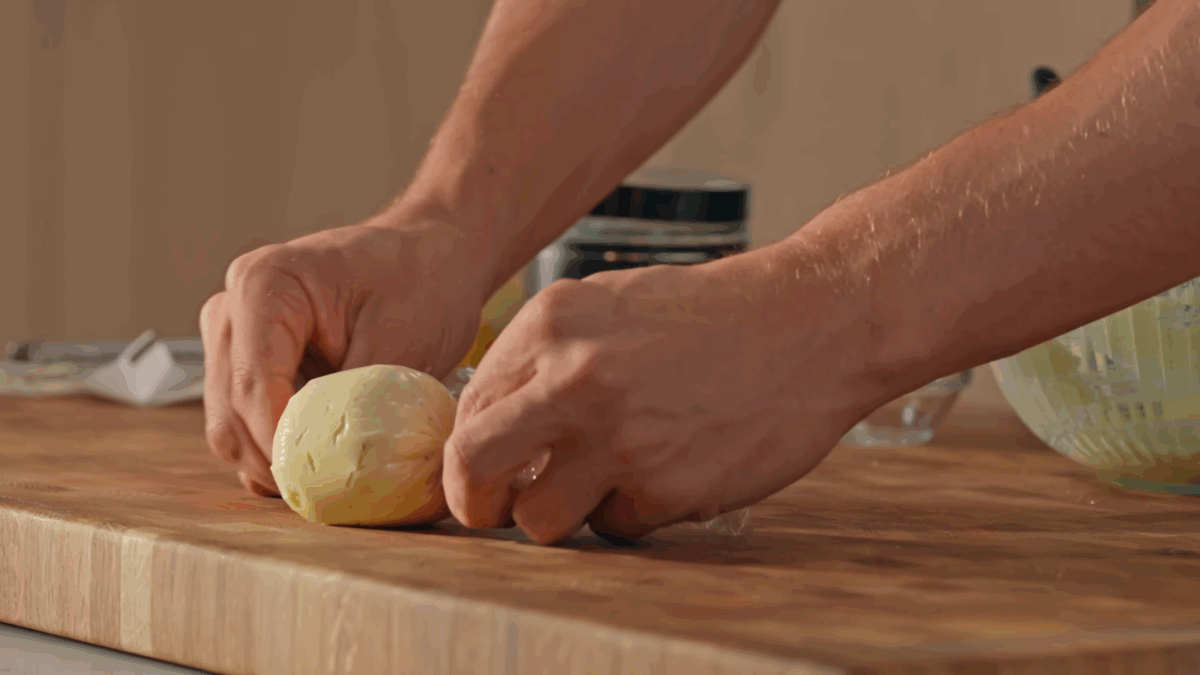
- Measure ½ cup (57 gram) of the compound butter in the center of a medium piece of plastic wrap. Roll the plastic wrap around the butter. Gather the sides of the plastic wrap, and spin the wrapped butter to form a long cylinder. Refrigerate wrapped butter.
For Roasting
- Preheat the oven to 450°F (232°C).
- To the bottom of a roasting pan or large casserole dish, add two pieces of lemon, two pieces of orange, carrots, a leek, potatoes, reserved spine, giblets, and trimmings. Add the turkey on top of the vegetables. Use the remaining orange and lemon wedges to prop the wings away from the breasts.1 lemon, 1 orange, 4 rainbow carrots, 1 leek, 1 pound rainbow baby potatoes
- Remove the turkey from the refrigerator, and place it on a large cutting board.
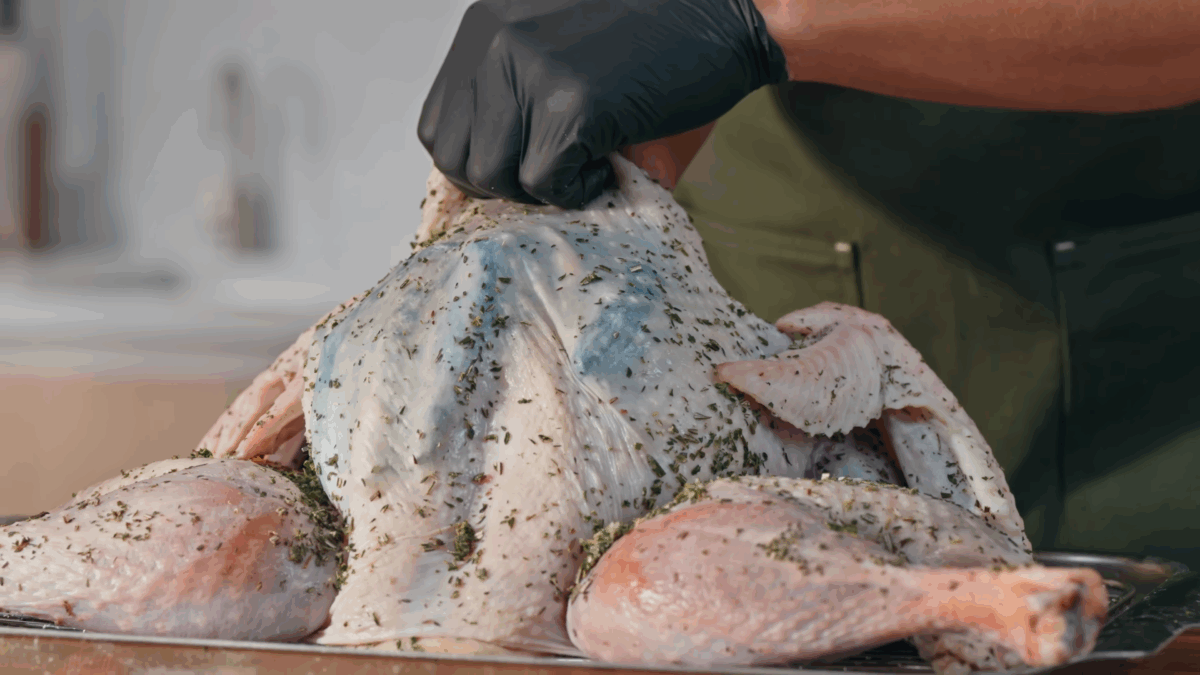
- Using your fingertips, gently separate the skin from the breasts, thighs, and drumsticks.
- Measure out ¼ cup (60 milliliter) of compound butter from the remaining butter and set aside. Melt the remaining ¼ cup (60 milliliter) of compound butter, and mix it with white wine and pepper. Soak a large cheesecloth in the wine and butter mixture.¼ cup compound butter, 2 cup dry white wine, 1 teaspoon pepper
- Working with a few teaspoons at a time, add the ¼ cup (60 milliliter) of reserved compound butter underneath the skin of the turkey, gently pushing it all over the breasts, thighs, and drumsticks.
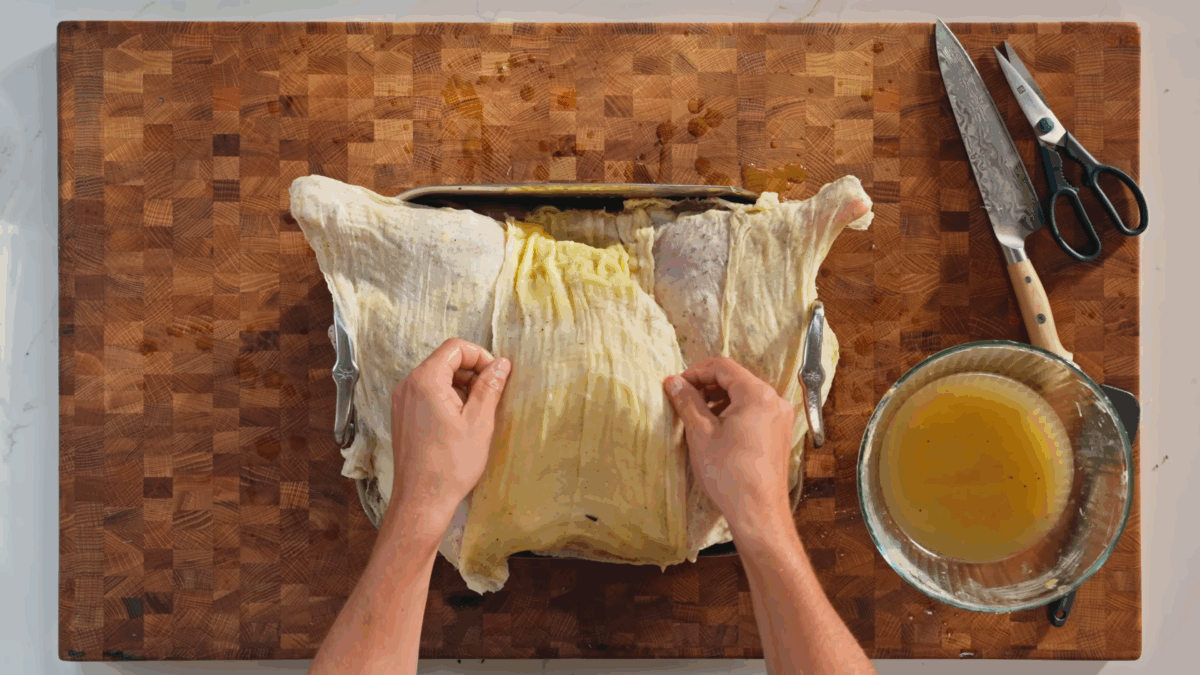
- Cover the entire turkey with the soaked cheesecloth. Cut the cloth into three pieces, one to cover the center breasts and two others for the leg and thigh sections. Cut additional cheesecloth pieces as necessary to ensure breasts, thighs, and drumsticks are completely covered.
- Transfer the turkey to the oven, and bake for 30 minutes.
- Remove the turkey from the oven, and reduce the temperature to 350°F (176°C). Using the remaining wine and butter mixture, baste the turkey through the cheesecloth. Return to the oven for 30 minutes.
- Repeat the basting process using any remaining liquid and a turkey baster to re-deposit turkey drippings on top of the cheesecloth. Return to the oven, and cook for 30 minutes.
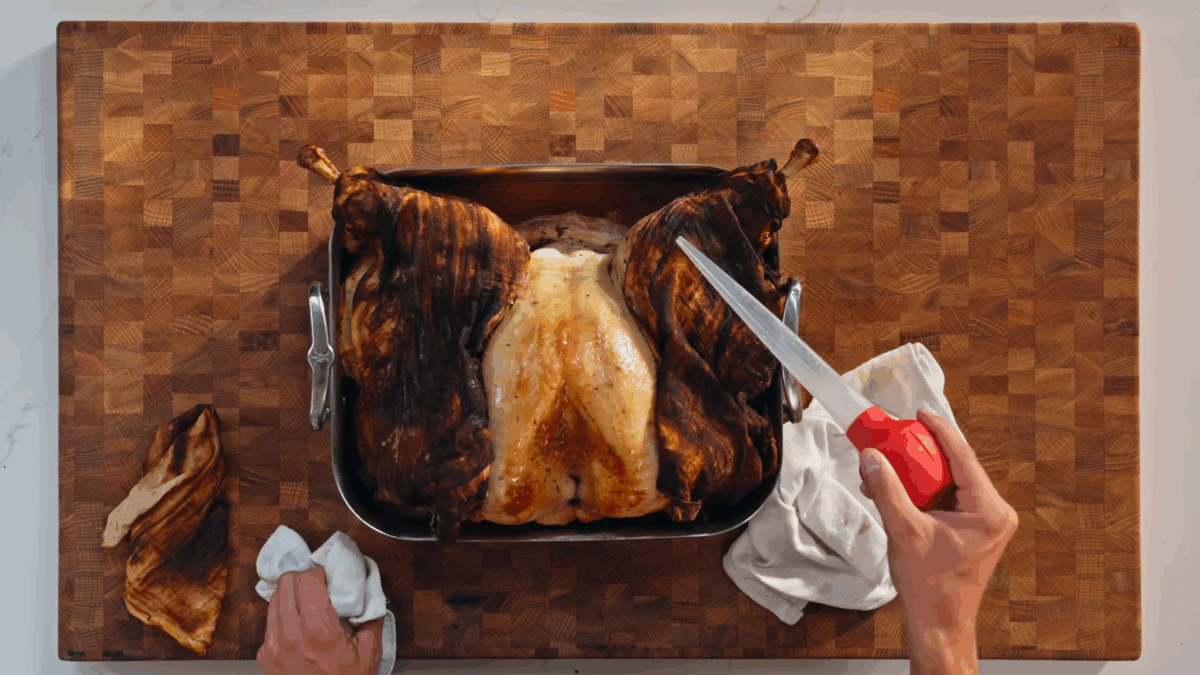
- After an hour and a half of cooking, remove the turkey from the oven and remove the cheesecloth from the breasts only. Keep the drumsticks and thighs covered to prevent over-browning. Baste again, using the turkey baster and turkey drippings.
- Return the turkey to the oven and cook until the internal temperature reaches 155°F (69°C) and the skin is crispy and brown. About 30 more minutes.
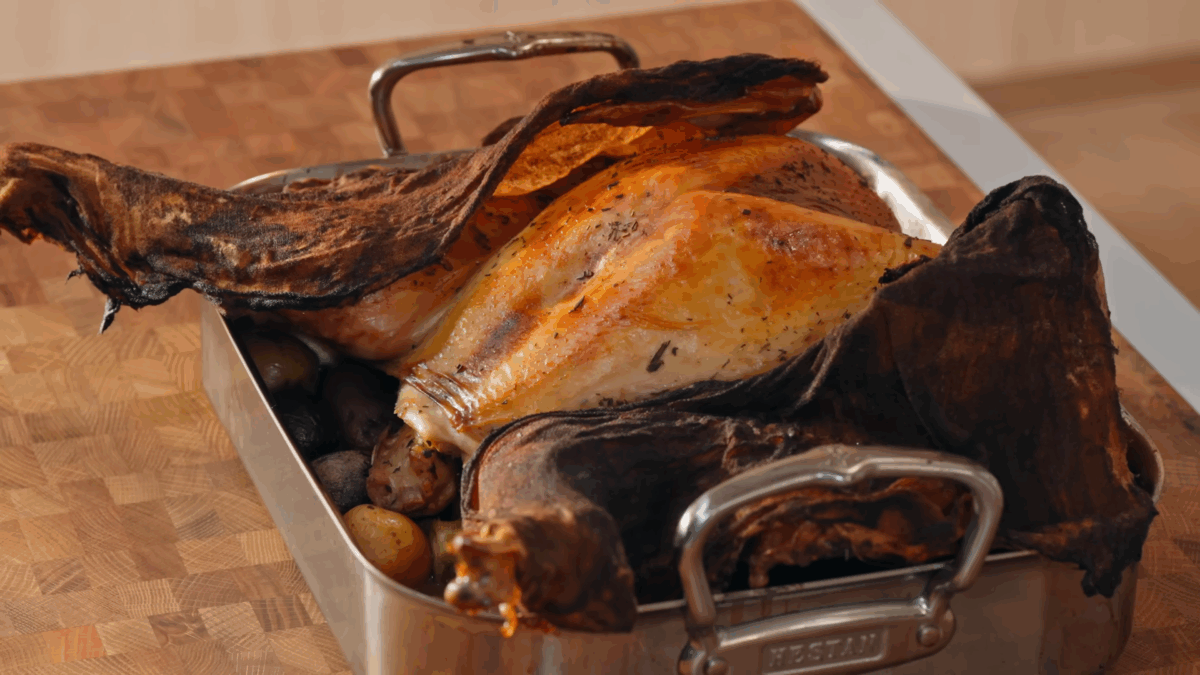
- Remove from the oven and remove the remaining cheesecloth. Move the turkey to a cutting board to rest. Let the turkey rest for 20-30 minutes while preparing the gravy.
- Once the turkey is rested, separate the breasts from the breastbone, and slice into ½-inch thick slices. Remove the thighs and the drumsticks, and place them on a serving platter with the sliced turkey breasts.
- Reserve any drippings, and add them to the gravy. Whisk to combine.
For the Gravy
- Remove all vegetables from the roasting dish, and place them on a serving dish. Set aside.
- Using a fork or gloved hands, shred the turkey meat from the spine, and break up the giblets and trimmings.reserved spine
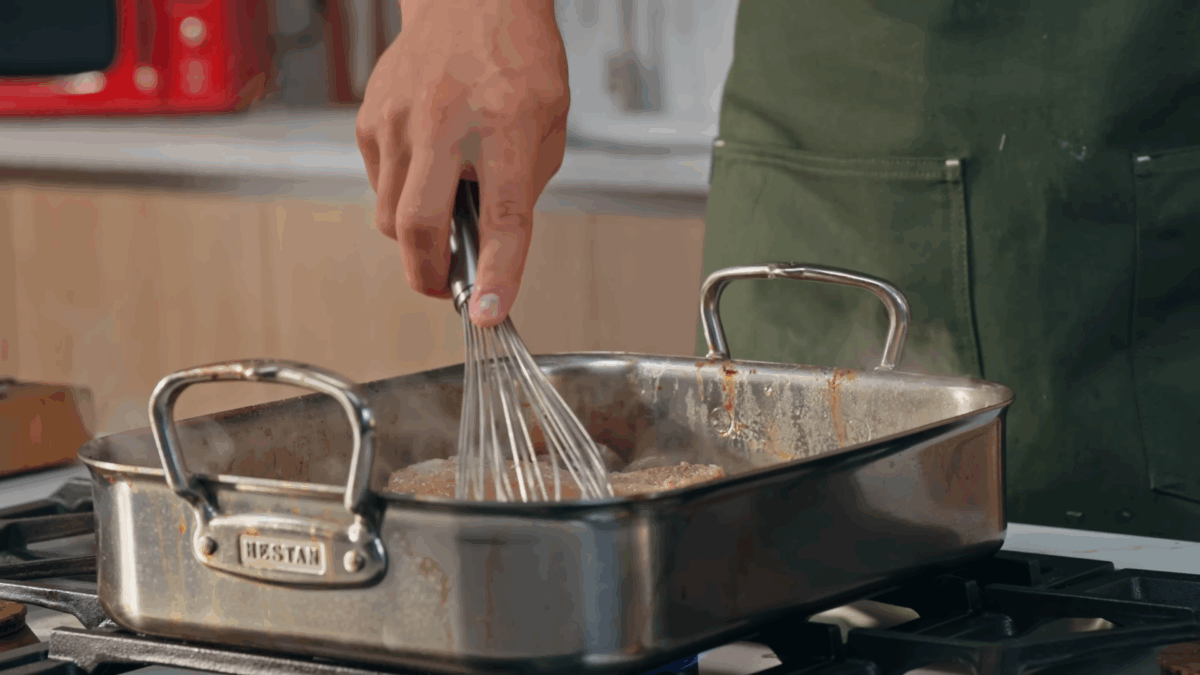
- Place the roasting pan on top of the stove, turn one eye (burner) to low under the roasting pan.
- Add butter and flour and whisk with turkey drippings and trimmings until smooth. Cook until a thick roux forms and the mixture smells slightly nutty.1 tablespoon butter, 3 tablespoon all-purpose flour
- Add white wine and reserved turkey stock, and cook for eight to ten minutes or until the mixture has reduced and thickened.1 cup dry white wine, remaining turkey stock
- Strain the gravy mixture through a fine mesh strainer.
- Season with salt and pepper to taste.
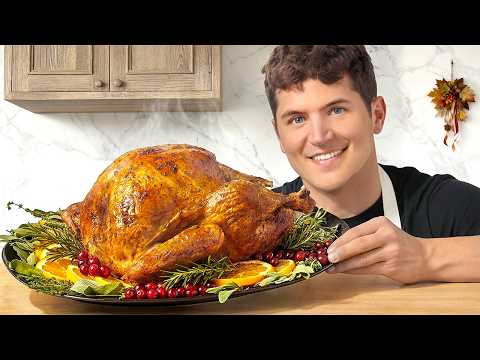
Video
Notes
– Store: Once cool, transfer leftover turkey to airtight containers. Keep white and dark meat separate for the best texture. Refrigerate for three to four days. Store gravy separately in an airtight container in the fridge for three to four days.
– Freeze: Transfer leftover turkey to a freezer-safe container, and freeze for up to three months. Transfer the gravy to a separate container, and freeze for up to three months. Thaw in the fridge when ready to serve.
– Reheat: Warm turkey gently in a covered skillet with a splash of broth over low heat, or reheat in the oven at 300°F (150°C) until heated through. Reheat gravy on the stovetop, whisking in a little broth to restore a smooth, silky consistency.
Nutrition
Nutrition information is automatically calculated, so should only be used as an approximation.
 Like this recipe? Rate & comment below!
FAQs
Plan on having at least one to one and a half pounds of turkey per person. If you want plenty of leftovers, I recommend serving about two pounds of turkey per guest. A twelve-pound bird typically feeds about six to eight people.
For food safety reasons, always thaw your frozen turkey in the refrigerator. Thawing turkey on the counter or in the sink encourages bacterial growth and increases the chance of foodborne illness. A good rule of thumb is to allow for 24 hours of thawing for every four to five pounds of turkey. This means that a twelve-pound turkey typically takes about two to three days to thaw completely.
The total cooking time will vary slightly depending on the size of your bird. However, you’ll know your roasted turkey is fully cooked when the skin is golden brown and the internal temperature reaches 155°F (69°C) when measured with an instant-read thermometer. It will rise to 160-165°F (71-74°C) as it rests, cooking the turkey completely without drying it out.


I got tasked with cooking the turkey for Thanksgiving this year. I’ve followed Nick for years and have tried several of his recipes. This one was the biggest jumps for me as I was cooking for 20 people.
I had to improvise the quantity of ingredients based on the bird size (20lb) and cook time, but my guests loved the turkey, gravy, and veggies. I’ve never spatchcock a turkey before and it went really well. It seems like a more practical way then cooking a turkey whole, if you want it cooked quicker.
I personally loved the fact of the veggies adds another easy dish to one’s Thanksgiving. The turkey and veggies had different flavours which helped refresh the taste buds. The gravy was good for the turkey and mashed potatoes. It had great flavour and was not dried out at all – always a huge problem with turkey, it seems. I got a lot of praise on it. It was a very straightforward recipe that any beginner can follow.
The recipe has me make 1 cup of compound butter, but only use 1/2 cup (1/4 under the skin and 1/4 in the cooking liquid)
What do we do with the other 1/2 cup?
Great catch. The remaining ½ cup of compound butter is intentional. It’s meant to be saved and used after roasting: melt a little over the sliced turkey for serving, stir some into the gravy for extra richness, or serve it on the side so guests can add it as they like. Any leftovers can also be refrigerated or frozen and used for vegetables, bread, or future roasts.
Many comments from family and friends best turkey they have had.
Turkey was good but was up to temp before the skin could get crispy and I didn’t want to risk overcooking it but probably should have.
Really didn’t like the gravy as it came out too tangy from the lemon. But I did squeeze the fruit out a little into the gravy mix so that was my fault.
Curious was was the point of the compound butter wrapped for the fridge. Guess I could have greased the bird before serving but don’t see any step to use it.
But what do I use the butter I rolled up in plastic and put in the fridge for?
That will be the compound butter used throughout the recipe!
Have all the ingredients and plan on doing this for this Thanksgiving however, I have a question about the compound butter that you rolled up and refrigerated. When was that used in the recipe?
The compound butter is the butter used throughout the recipe while prepping the turkey!
How would you change this for a 17lb turkey?
I have a 14 lb turkey. Should I stick to the same amounts for seasonings/ingredients or increase slightly? I can’t wait to try this recipe!
You’re good to stick pretty close to the recipe as written! A 14-lb turkey is only slightly larger than the 12-lb bird used here. If anything, I’d recommend slight optional increase in the salt, herbs, and butter, and a little extra cook time.
I’ve never spatchcocked a turkey before, but I may never go back to roasting them whole again!